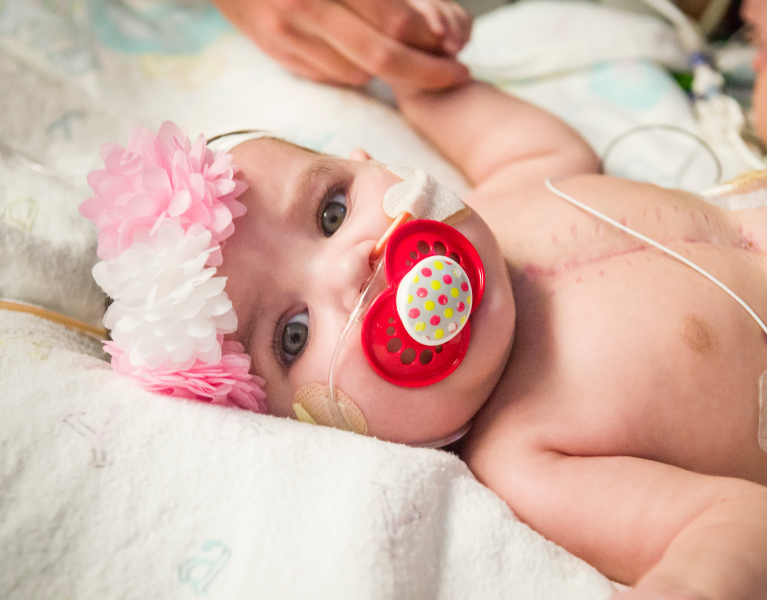
در ...مرکز قلب کودکان بتی ایرنه مور، ایمراقبتهای استثنایی یک هدف نیست، بلکه یک تضمین است. خب، قدم بعدی ما چیست؟ بهترین پزشکان، جراحان و دانشمندان ما هدف جسورانهی درمان بیماریهای مادرزادی قلب (CHD) را در ... دارند. این نسل
به افتخار ماه قلب آمریکا، بیایید نگاهی به پیشرفتهای بالینی و تحقیقاتی که از فوریه گذشته در مرکز سلامت کودکان دانشگاه استنفورد به دست آمده است بیندازیم - که همگی توسط جامعه اهداکنندگان سخاوتمند ما پشتیبانی میشوند.
فراتر از بقا
در ۷۵ سال اول مراقبتهای قلبی کودکان، هدف ساده بود: بقا. در دهه ۱۹۵۰، نوزادی که با نقص قلبی عمده متولد میشد، تنها ۱۱TP3T شانس رسیدن به بزرگسالی داشت. امروزه، به لطف نوآوریهای خستگیناپذیر، این تعداد به بیش از ۹۰۱TP3T رسیده است.
در حالی که ما این پیروزی را جشن میگیریم، این پیروزی چالش جدیدی را آشکار کرده است. زنده ماندن به معنای رشد و شکوفایی کودک نیست. بسیاری از بیماران ما با موانع مادامالعمری روبرو هستند: عملهای جراحی مجدد متعدد، خطر رد عضو، محدودیتهای فیزیکی قلب ترمیمشده و تفاوتهای عصبی-رشدی و یادگیری.
برای اطمینان هر برای اینکه یک کودک مبتلا به بیماری مادرزادی قلب (CHD) بتواند به بهترین سلامت ممکن خود دست یابد، ما یک تیم استثنایی تشکیل دادهایم. در بیمارستان، پزشکان با رویکردهای جراحی نوآورانه و پشتیبانی بینظیر از کودکان در اطراف شکم، از آنها مراقبت میکنند. در همین حال، در آزمایشگاه، دانشمندان علوم پایه برای کشف علل ژنتیکی بیماری مادرزادی قلب (CHD) تلاش میکنند. ما میتوانیم با هم درمانهای جدیدی پیدا کنیم و روزی به زودی، درمانی قطعی برای آن پیدا کنیم.
با یک هدیه از آینده مراقبتهای قلبی کودکان حمایت کنید.
قلبهای سالمتری بسازید
جایی که امید با نوآوری تلاقی میکند: داستان هیزل
مرکز قلب کودکان مور به عنوان مکانی پر از امید شناخته میشود، جایی که پزشکان «نه» را به عنوان پاسخ نمیپذیرند و درمانهایی را دنبال میکنند که دیگران غیرممکن میدانند. هازلبرای مثال، کسی که با ترکیبی نادر و پیچیده از نقصهای قلبی به نام تترالوژی فالوت (ToF) متولد شد. در سه هفتگی، پزشکان محلی هیزل به والدینش گفتند که دیگر کاری از دستشان برنمیآید و او را به خانه فرستادند و تحت مراقبتهای ویژه قرار دادند. دوست یکی از دوستانش پیشنهاد داد که به مرکز سلامت کودکان استنفورد مراجعه کنند.
دکتر مایکل ما، رئیس بخش جراحی قلب کودکان، وقتی داستان هیزل را شنید، فهمید که میتواند کمک کند. او عمل جراحی تککانونی کردن قلب و ریه را انجام داد، جراحیای که دکتر فرانک هنلی در استنفورد پیشگام آن بود. اما ابتدا، دکتر ما نقشه قلب هیزل را با ... ترسیم کرد. مدل سفارشی، سه بعدی- رویکرد منحصر به فرد او که نویدبخش بهبود برنامهریزی جراحی برای نقصهای پیچیده قلبی در اینجا و سراسر جهان است.
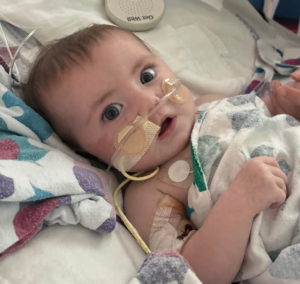
امروز، هیزل یک کودک نوپای شاد است رسیدن به نقاط عطفی مانند خزیدن، راه رفتن و رقصیدن. از همه بهتر؟ عملکرد قلب او طبیعی است.
استفاده از هوش مصنوعی برای کودکان مبتلا به بیماری عروق کرونر قلب (CHD):
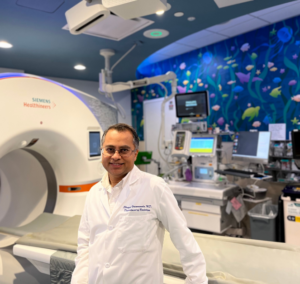
یکی دیگر از ویژگیهای بارز مرکز سلامت کودکان دانشگاه استنفورد، نحوهی همکاری و نوآوری در کنار هم برای پیشبرد مراقبت از کودکان مبتلا به بیماریهای قلبی پیچیده است. در خط مقدم این کار، دکتر شریاس واساناوالا، رئیس بخش رادیولوژی کودکان، پیشرو در استفاده از هوش مصنوعی برای کمک به تشخیص برخی از پیچیدهترین اختلالات دوران کودکی، قرار دارد.
دکتر واساناوالا و همکارانش اکنون با فناوری پیشرفته MRI خود میتوانند عوارضی را که در غیر این صورت ممکن است پنهان بمانند، تشخیص دهند - و تیمهای مراقبت را به بینشهای لازم برای اقدام سریع و هدایت درمان مجهز کنند.
در یک مورد اخیر، این فناوری یک عارضه قبلاً غیرقابل تشخیص را در یک بیمار قلبی تازه متولد شده مشخص کرد و جراحان را قادر ساخت تا مشکل را ترمیم کنند. لحظاتی مانند این نشان میدهد که چگونه نوآوری، تشخیص را تقویت میکند، تصمیمات بالینی را آگاه میسازد و به کودکان بیشتری کمک میکند تا بهبود یابند و به خانوادههایشان بازگردند.
مراقبت جامع برای کودکانی که مشکلات یادگیری دارند
کودکان مبتلا به بیماری مادرزادی قلب (CHD) حدوداً احتمال دریافت خدمات آموزش ویژه برای افراد 50% بیشتر است-برای تفاوتهای رشدی، رفتاری و یادگیری- در مقایسه با کودکانی که نقص مادرزادی ندارند. انجمن قلب آمریکا توصیه میکند هر کودکی که مبتلا به بیماری عروق کرونر قلب است یا در سال اول زندگی تحت عمل جراحی قلب قرار گرفته است، برای رشد شناختی، اجتماعی و عاطفی خود حمایت مداوم دریافت کند.
به رهبری دکتر کیت رایان، ما برنامه توسعه عصبی قلبی یکی از معدود مواردی است کلینیکهای جامع عصبی-رشدی در ساحل غربی، همزمان با رشد بیماران ما، خدمات ارائه میدهند. این برنامه که با حمایت اهداکنندگان اداره میشود، فرصتی برای تغییر زندگی بیماران قلبی بیشماری دارد. به دلیل منابع محدود، دکتر رایان تنها میتواند بخش کوچکی از بیش از ۹۰۰ بیمار واجد شرایط را ویزیت کند. نیکوکاری میتواند این داستان را از نو بنویسد. دکتر رایان میگوید: «زنده بودن کافی نیست. بچهها باید زنده« ». (یا: « ...
ابتکار BASE: مهندسی پایان بیماری قلبی
رویای کمک به شکوفایی هر کودک دقیقاً دلیل راهاندازی این پروژه است. طرح ابتکاری علوم و مهندسی پایه (BASE)با پشتیبانی هدیهای دگرگونکننده از گوردون و بتی مورتیم BASE ما در تلاش است تا CHD را به یک بیماری مربوط به گذشته تبدیل کند.
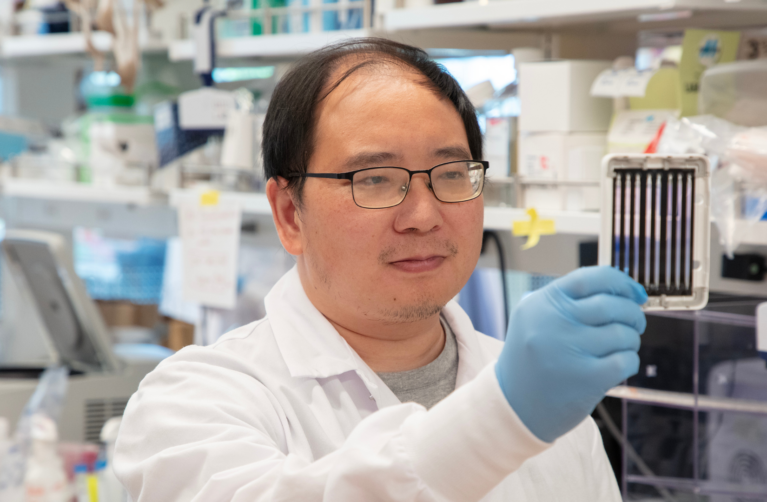
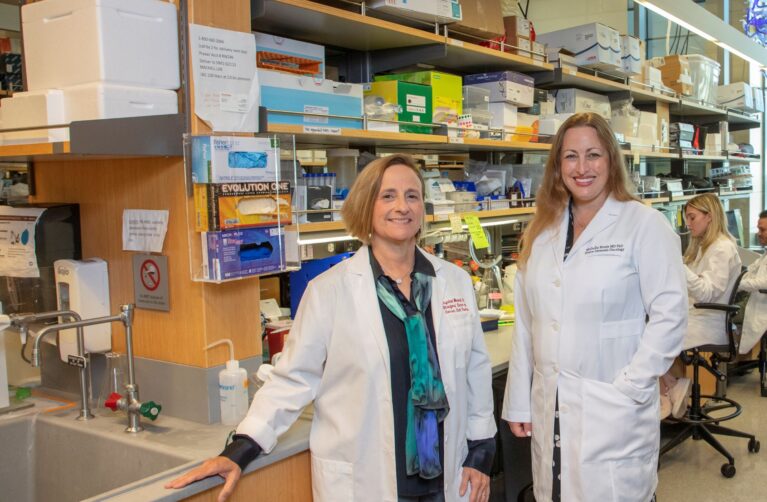
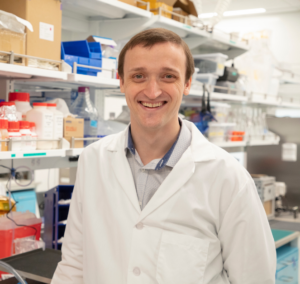
جسی انگریتز، متخصص ژنتیک، در حال تهیه یک اطلس جامع از نحوه رشد قلب است. او با مشخص کردن دقیق گونههای ژنتیکی که باعث نقصهای قلبی میشوند، راه را برای ژندرمانیهای درمانی هموار میکند. کیسی گیفورد، متخصص زیستشناسی رشد، و شیائوجی کیو، دانشمند کامپیوتر، از ارگانوئیدهای قلبی و جنینهای مجازی سهبعدی برای پیشبینی نقصهای قلبی قبل از تولد نوزاد استفاده میکنند. هدف کار آنها ایجاد اختلال در این نقصها در رحم مادر و تغییر الگو از ترمیم به پیشگیری کامل است.
مهندس زیستی دکتر مارک اسکایلر-اسکات, با پروژه بلندپروازانه خود در زمینه چاپ سهبعدی قلب انسان با استفاده از سلولهای خود بیمار، داستانهای علمی تخیلی را به واقعیت تبدیل میکند. نوزادان و کودکان خردسالی که پیوند قلب دریافت میکنند، در نهایت به پیوند دوم و حتی سوم نیاز پیدا میکنند، زیرا قلبهای اهدایی رشد نمیکنند. دکتر اسکایلر-اسکات قصد دارد با چاپ زیستی قلبهایی که رشد میکنند، این مشکل را حل کند - و تهدید رد پیوند را از بین ببرد. با کودکان
در یک رشته اصلی پیشرفت چشمگیر ۲۰۲۵آزمایشگاه دکتر اسکایلر-اسکات روشی برای طراحی و چاپ «درختهای عروقی» پیچیده - شبکه پیچیده رگهای خونی مورد نیاز برای زنده نگه داشتن یک اندام - تا ۲۰۰ برابر سریعتر از روشهای قبلی ابداع کرد.
مشارکتی برای آینده
مراقبت از کودکانی که پیچیدهترین بیماریهای قلبی را دارند، نیازمند شرکای نیکوکاری است که از پذیرش وضع موجود خودداری میکنند. ما از جامعهی اهداکنندگان دلسوز و آیندهنگر خود سپاسگزاریم که دانشمندان را برای رسیدن به اهداف بزرگ توانمند میسازند، در حالی که خدمات حمایتی جامعی را که هر خانوادهای به آن نیاز دارد، ارائه میدهند.
همزمان با جشن ماه قلب آمریکا، از شما دعوت میکنیم به ما بپیوندید. چه با گسترش برنامههای بالینی ما و چه با تقویت دانشمندان BASE ما، مشارکت شما غیرممکن را به واقعیت تبدیل میکند. ما با هم، فقط قلبها را ترمیم نمیکنیم. ما آینده را برای بیمارانی مانند هیزل، که مانند همه کودکان، شایسته رشد و شکوفایی هستند، از نو مینویسیم.
آیا علاقهمند به کسب اطلاعات بیشتر در مورد چگونگی حمایت از آینده مراقبتهای قلبی کودکان هستید؟ ما خوشحال خواهیم شد که با شما ارتباط برقرار کنیم. لطفاً برای تعیین وقت بازدید از مرکز قلب کودکان بتی ایرنه مور یا مطالعه بیشتر با تیم بنیاد ما تماس بگیرید. داستانهای تأثیرگذار.