
The mission of Stanford Medicine Children’s Health is to heal humanity through science and compassion, one child and family at a time.
“Of course, we all know what science is,” says the Reverend Allison Draper, MDiv, BCC, APBCC-HPC. “We have brilliant scientists at Lucile Packard Children’s Hospital Stanford.”
“But what is compassion?” she asks. “And who’s in charge of the provision of compassion?”
“We all are. And, it’s the specialty of the Spiritual Care Team.”

Rev. Draper leads Spiritual Care at Packard Children’s, a team of professionally credentialed chaplains. They’re dedicated to meeting the emotional and spiritual needs of every person who walks through the hospital’s doors.
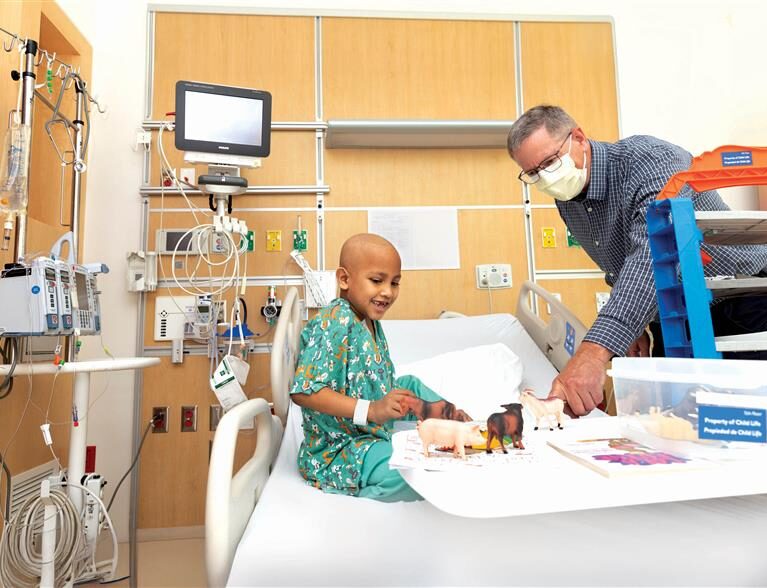
Chaplains are assigned to a specific hospital unit, such as oncology or the neonatal intensive care unit (NICU). This allows them to form meaningful, personal connections over the course of each patient’s stay. During a family’s most difficult moments, they offer company, support, and spiritual guidance.
“We’re co-creating an open, non-judgmental, sacred space for whatever arises for them,” says Rev. Draper.
What’s more, everyone at Packard Children’s—from patients, to parents and siblings, to care team members—have access to the hospital’s Sanctuary, Healing Garden, and meditation labyrinth. They are spaces carefully and thoughtfully designed for peace and reflection and brought to life by philanthropy.
Not Extra, But Essential
At Packard Children’s, Spiritual Care is fully integrated into a patient’s treatment plan — a profound example of the hospital’s commitment to family-centered care.
Chaplains participate in each unit’s weekly care meetings, where medical teams discuss important details about patient care. Spiritual Care is considered part of that holistic plan. Our experts know that caring for the whole child—not just physically, but spiritually and emotionally as well—is a critical part of our mission.
Meeting Families Where They Are
Making spiritual support accessible is only part of the team’s task. They know that patients and families must also feel comfortable asking for support.
“I think when most people hear the term ‘chaplain,’ they have a very specific idea of that,” she says. Around 45% of the families her team serves do not consider themselves to be religious, yet most identify as “spiritual.” Those who do identify with a specific religion span a broad range of traditions—Christian, Jewish, Muslim, Buddhist, Hindu, and more.
For that reason, the team intentionally adopted the inclusive title “Spiritual Care.” Chaplains come from a wide range of faith backgrounds, from Southern Baptist to Zen Buddhist. As professionals serving in a multi-faith health care environment, board certified chaplains undergo 7-10 years of rigorous graduate-level study, clinical training, and ordination. This equips them to offer respectful and patient-centered support to families from every spiritual background.
What Compassion Looks Like
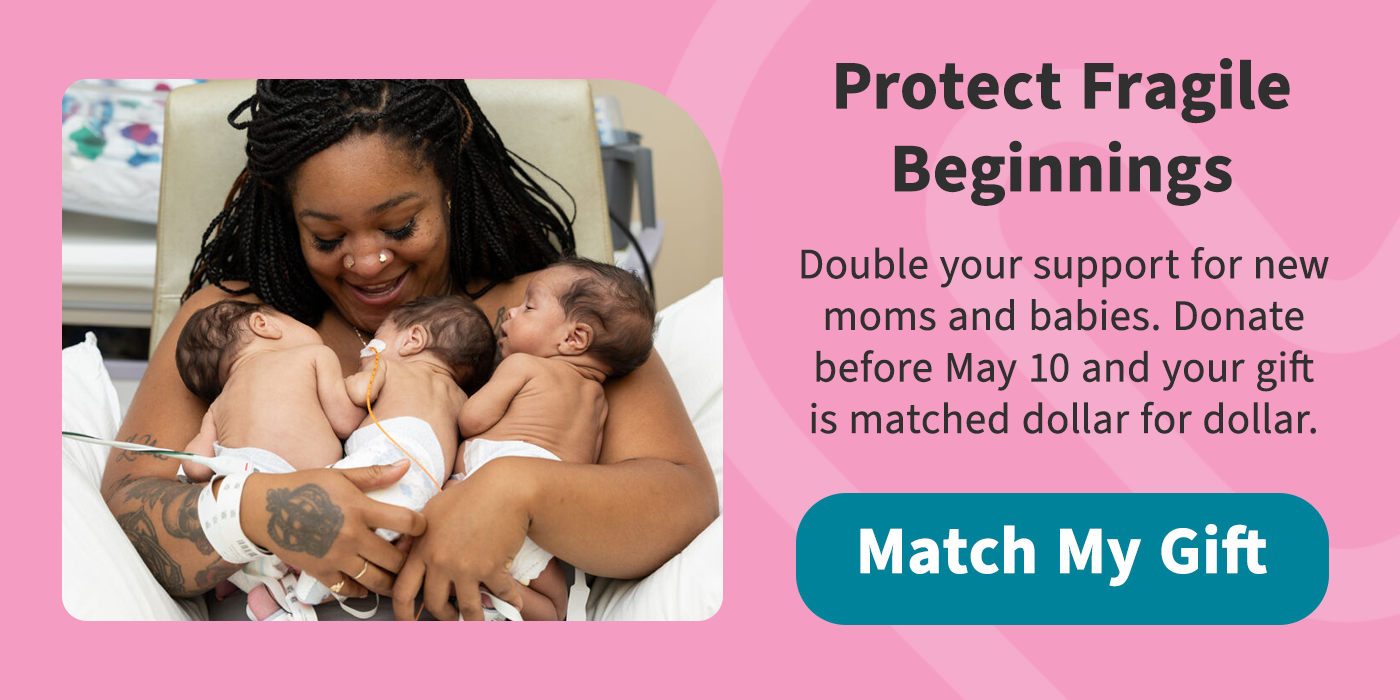
Rev. Draper remembers an interaction she had with a family in the NICU. A mother was facing an agonizing question: one of her newborn twins was passing away, and she was asked how she wanted to say goodbye.
Leaning on her years of extensive training, Rev. Draper guided the mother through a profound moment. Smiling through tears, the mother asked to take photos holding both of her babies. She would be able to share these precious moments with her surviving baby girl when she was old enough to ask about her birth.
This emotional moment also took a toll on the nurses and doctors in the NICU. Rev. Draper was there to support them as well.
“I said to the team, ‘Sometimes we run out of science. But we never run out of compassion. Today, this is what compassion looks like.’”
Your Generosity Wraps Families in Support
The Spiritual Care team’s ability to support our patients is only possible because of donors like you. To help ensure their impact continues, please consider making a gift to the Children’s Fund.