Imprescindible pero inalcanzable: Accesibilidad en el hogar para niños con discapacidades
Vivir en casa es un derecho, no un lujo. Los niños con discapacidades y necesidades médicas complejas a menudo requieren equipos, suministros y adaptaciones en el hogar especializados para vivir de forma segura y cómoda. Sin embargo, muchas familias se enfrentan a dificultades para identificar y acceder a los servicios, costear las adaptaciones necesarias y obtener el apoyo que necesitan.
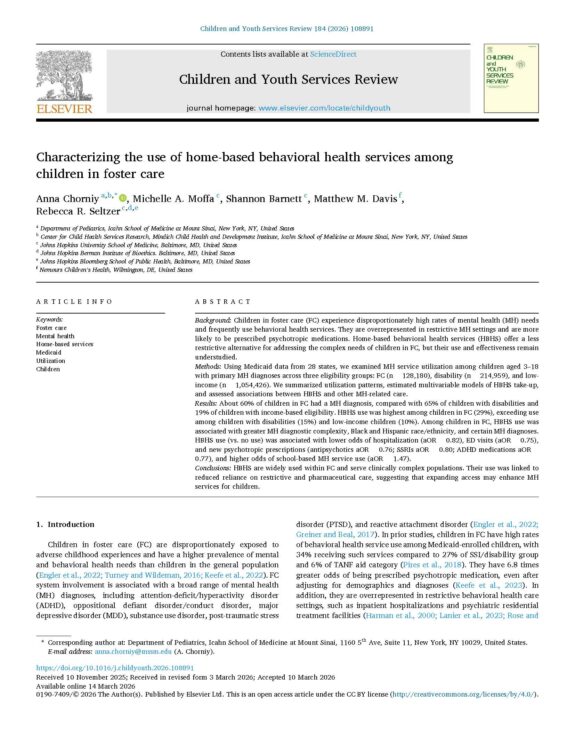
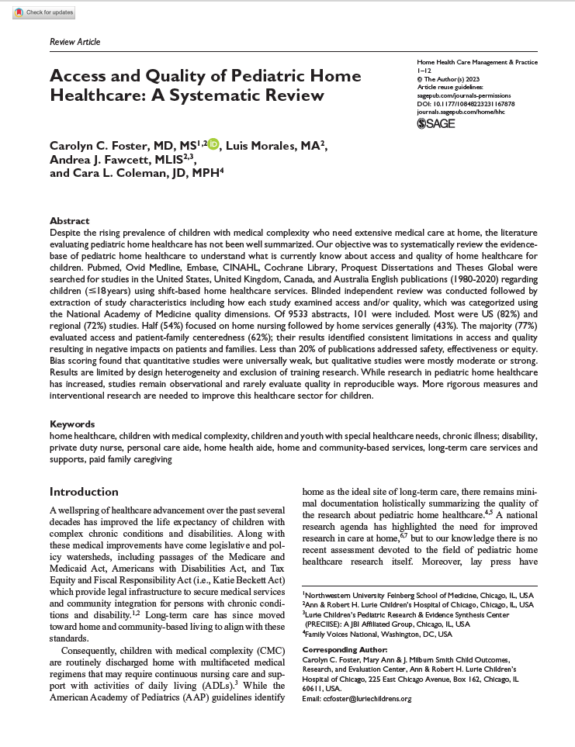
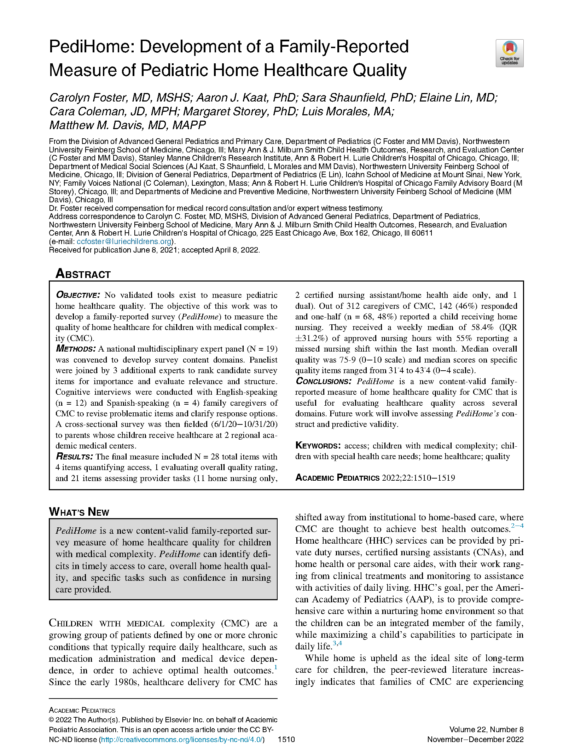
Este seminario web, el primero de una serie de dos partes, presentó una investigación financiada por la Fundación sobre el panorama nacional de programas y políticas que apoyan la accesibilidad del hogar para niños con discapacidades y sus familias en todo el país. La sesión ofreció una visión general de las modificaciones del hogar, incluyendo qué son, por qué son importantes y cómo pueden ayudar a mejorar la seguridad, la independencia y el bienestar familiar. Un panel de expertos, incluyendo personas con experiencia propia, analizó las barreras comunes para acceder a las modificaciones del hogar, el impacto real de estos apoyos en los niños y sus cuidadores, y las oportunidades para la acción y la defensa de sus derechos.
Antes de ver el seminario web, se recomienda a los espectadores que vean la película. Se siente como en casa., financiado por un premio Johns Hopkins Discovery Award. Se siente como en casa. Fue producido en colaboración con la Dra. Rebecca Seltzer y Lauren Arora Hutchinson, panelistas del Laboratorio iDeas del Instituto Berman de Bioética de Johns Hopkins, y cuenta con la participación de Crystal Thomas.
El segundo seminario web se celebrará en otoño.
Este seminario web fue copatrocinado por la Fundación Lucile Packard para la Salud Infantil y el Instituto Berman de Bioética de Johns Hopkins.
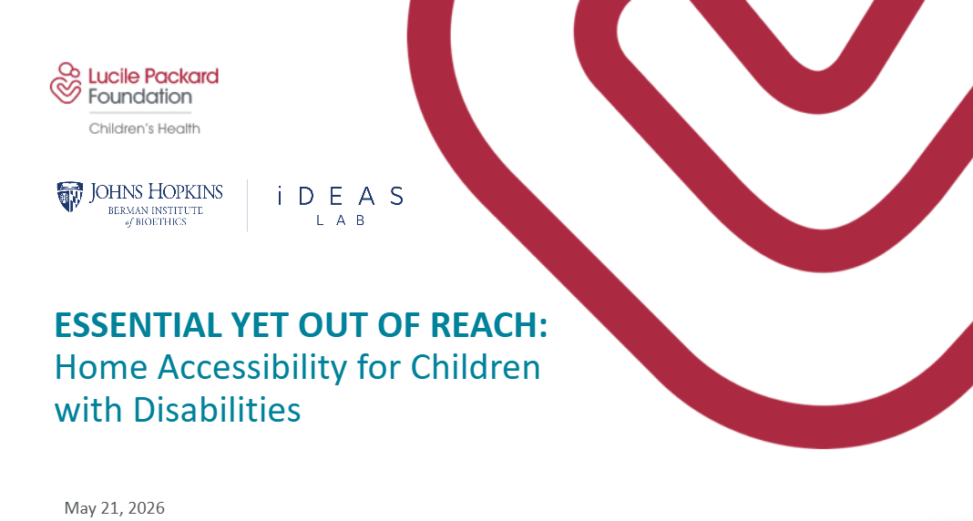
Descarga las diapositivas (PDF) a continuación.
Presentación de diapositivas