

Skip to content

Home > Giving Initiatives > Autism Spectrum Disorder

Autism Spectrum Disorder

New Possibilities for Children with Autism and Their Families

One in 36 children in the United States is impacted by autism, and the number of diagnoses is on the rise. It will take all of us, working together, to better understand this condition and provide effective treatments to children and resources to their families.

A woman helps a young girl wearing headphones paint a flower with red, blue, and yellow paint at a table.

Unlocking the Mystery of Autism

An autism diagnosis can bring many emotions—for some families, uncertainty about what lies ahead; for others, relief and answers to questions they have had for years. Either way, diagnosis is just the beginning. Because autism looks different in every child, families need care and support tailored to their child’s unique needs.

The Stanford Autism Center brings together experts from across disciplines to help families navigate medical, psychiatric, social, and educational resources—and to advance what is possible in treatment. While early intervention can make a meaningful difference, there are still no medications approved to treat the core features of autism, and children can respond very differently to behavioral and other interventions.

Stanford researchers are working to understand why—and what might work better. Through research and clinical trials, they are exploring the biology of autism, investigating why children respond differently to interventions, and developing new approaches to care. The goal: more precise, effective options that help every child thrive.
1 in 22 children

A higher percentage of children in California have been identified with autism than the national average.

Meet Some of Our Researchers

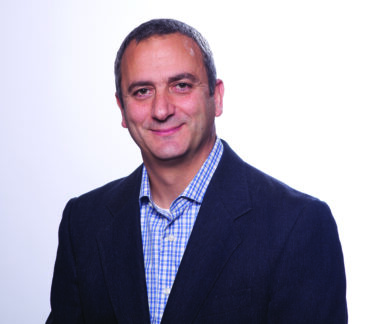
Headshot of a smiling man with short gray hair wearing a blue checkered shirt and dark blazer, against a light background.
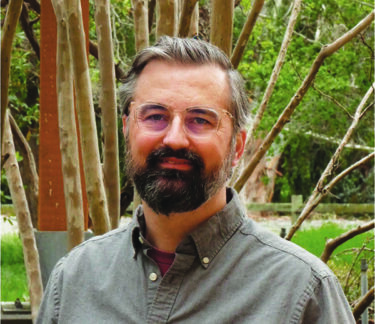
Headshot of a man with glasses, gray hair, and a dark beard wearing a gray button-down shirt, standing outdoors in front of trees and greenery.
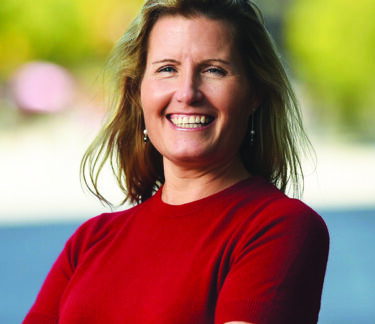
Headshot of a smiling woman with shoulder-length blonde hair wearing a red top, standing outdoors with her arms crossed.
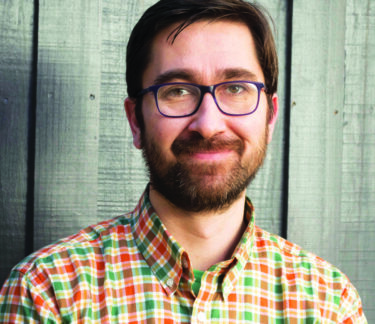
Headshot of a smiling man with dark hair, glasses, and a beard, wearing a colorful plaid shirt, standing against a wood plank background.

Dr. Hardan is the principal investigator of the Autism and Developmental Disorders Research Program, which is developing effective treatment strategies and identifying the causes of autism.

Dr. Hegarty conducts research focused on improving our understanding of neurodevelopment. He uses neuroimaging (for example, MRI) to study people with neurodevelopmental disorders and examines the effects of different drugs and behavior interventions on the brain.

Dr. Parker is investigating biomarkers that indicate someone has autism. This will enable her to develop lab-based methods to detect autism as well as to identify new biological targets for drug development—ultimately leading to personalized treatments.

Dr. Uljarević is interested in developing new assessments for the screening and diagnosis of autism. He helped develop a questionnaire called the Dimensional Assessment of Restricted and Repetitive Behaviors, which characterizes RRBs in children with autism.

Opportunities for Impact

Pioneering new treatments for children with autism is not possible without philanthropy. Your gifts can help us:

Leverage machine learning in Stanford’s Preschool Autism Lab (PAL).

Cameras document each child’s behaviors, such as smiling, eye contact, and speech. Thanks to advances in technology, researchers will be able to quickly assess children’s behaviors.

Launch a second preschool in partnership with The Creekside School in San Jose.

With your help, we can reach more children, and our researchers can evaluate more early interventions for effectiveness in treating autism.

Develop new, targeted drug therapies to treat the social deficits of autism.

Research shows that rhesus monkeys with low sociability have low levels of the hormone vasopressin, as do children with autism. Help us start clinical trials to test vasopressin treatment.

Create computerized tests to assess autism symptoms in children.

These tools are critically needed to evaluate symptoms and track them during a child’s development and throughout clinical trials.

Support the Stanford Autism Center

Discover how your investment can improve the lives of children with autism.

Lauren_Haney_headshot

Helping Children Thrive

Shown above: Dr. Jennifer Frankovich, a pediatric rheumatologist and director of the Stanford Immune Behavioral Health Clinic For families who face sudden and severe behavioral...

Helping children with autism achieve the best possible outcomes When Mason* was 18 months old, he could only say one word: “Mama.” Even though his...

  11-year-old Lars is quite the ham once he gets a microphone in his hands, so keep an eye out for him on the Summer...