

No More Trial and Error
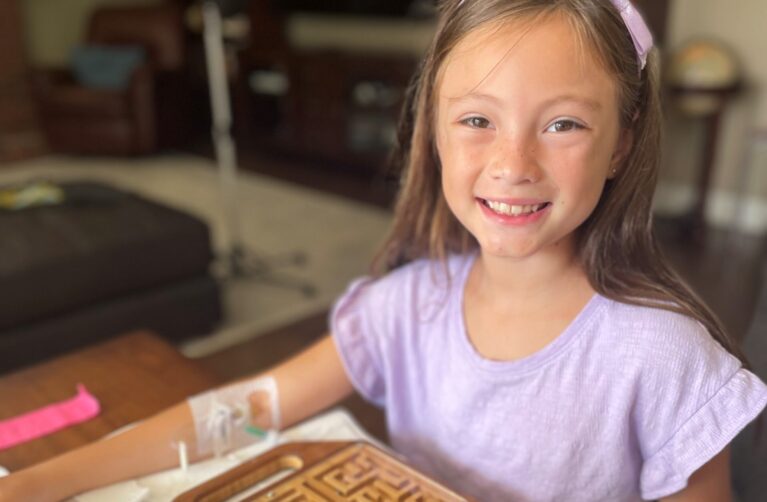
Today, finding the right treatment for a child with IBD can involve months—or even years—of trial and error. Children may cycle through multiple medications, enduring side effects and ongoing symptoms before finding one that works.
Caring for children who come from across the country, researchers and physicians at the Stanford Center for Pediatric IBD and Celiac Disease are working toward a different future: understanding what drives IBD in each child and predicting which therapies are most likely to help. The goal is to replace guesswork with precision—and get children the right treatment sooner.
25%
of individuals with IBD are diagnosed in childhood
80,000
children in the United States are living with IBD
Nearly 90%
of IBD patients reach remission at Stanford Children's, compared to roughly 60% nationally
Meet an IBD Innovator
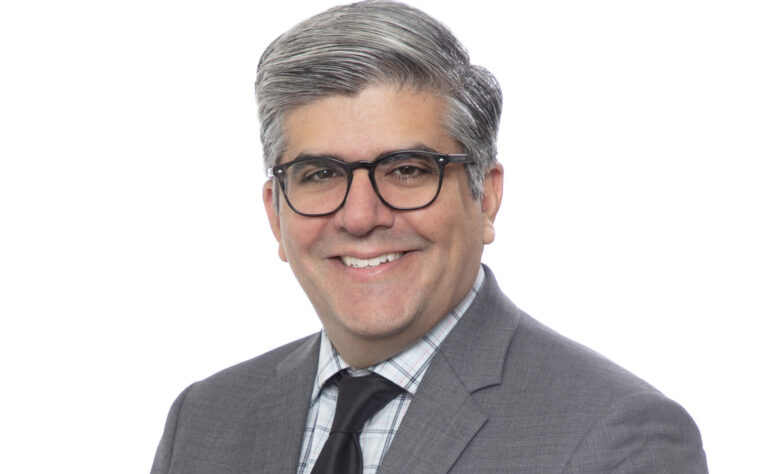
Colleagues describe Jonathan Moses, MD, clinical associate professor of Pediatric Gastroenterology and the Endowed Medical Director of Pediatric IBD, as an exceptional clinician who “lives and breathes IBD.”
But surprisingly, Dr. Moses says, “I didn’t really pick IBD, it chose me.” With plans to go into general clinical care, he researched immunity to hepatitis B among children with IBD who were taking an anti-inflammatory drug, and his career took a big shift. He dove into treating children with IBD and rose to become a national expert in the field.
Dr. Moses came to the Center for Pediatric IBD and Celiac Disease in 2023. He appreciates the center’s proximity to the adult hospital—making it easy to collaborate with other care providers and treat patients as they age. He looks forward to offering children more opportunities to participate in clinical trials and advance research through Stanford’s biobank, which collects tissue samples and shares them with investigators across the country.
Most of all, Dr. Moses enjoys getting to know his young patients and watching them grow up. During visits, he asks about their interests and dreams. “We’re not big, scary people,” he says of his team at Stanford. “We remember that we’re taking care of kids.”
Opportunities for Impact
At Stanford, we have built a strong foundation for research and care for children with IBD in record time. We are poised to make game-changing discoveries, and philanthropy will propel us forward. Help us to:
Advance leading-edge research.
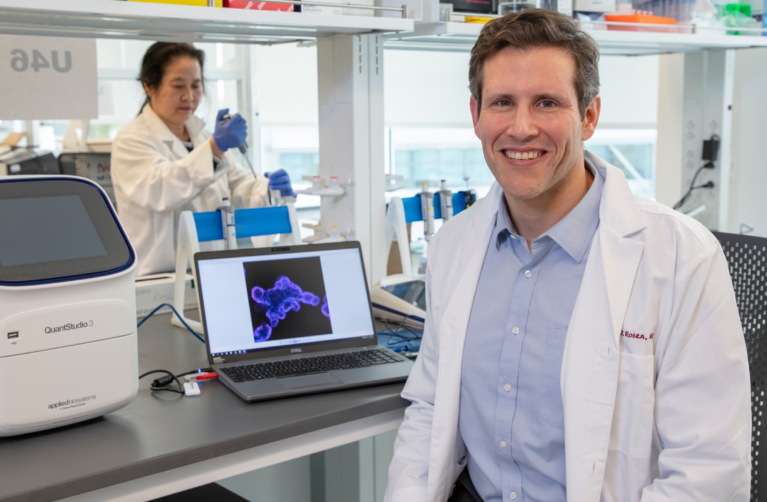
Using tiny 3D models of human tissue—namely, organoids and mini guts—we aim to develop new therapies and test their effectiveness before a child receives a single dose.
Uncover why IBD diet responses differ.
Research by top Stanford scientists in related fields like the gut microbiome and nutrition could eventually lead to customized treatment approaches for every child.
Support early-stage IBD research and trials.
First up would be researching health inequities and their impact on the screening, diagnosis, and quality of care for children with IBD.
Establish an endowed surgical directorship.
to recruit and retain a top surgeon with expertise in advanced IBD surgeries who will not only improve traditional surgeries but also suggest new approaches.
Support the Center for Pediatric IBD and Celiac Disease
Find out how you can help children with IBD live their fullest lives.
Helping Children Thrive
Having a child with celiac disease or inflammatory bowel disease (IBD) can be an emotional roller coaster, but it is possible for your child to...
Driven to improve the lives of children with IBD and celiac disease, Stanford welcomes families to the new Center for Pediatric Inflammatory Bowel Disease and...
No one looks forward to getting a colonoscopy. Now imagine how uncomfortable and overwhelming it must be for children with inflammatory bowel disease (IBD), who...