Skip to content

Home > Giving Initiatives > Neurosurgery

Neurosurgery

Combining Compassion With Cutting-Edge Care

The pediatric neurosurgery team at Lucile Packard Children’s Hospital works with families to treat children living with a full range of brain, spine, and nerve disorders. Every day, they’re driving the research and innovation needed to revolutionize clinical care for these young patients. With your philanthropic support, the team believes “the sky is the limit.”

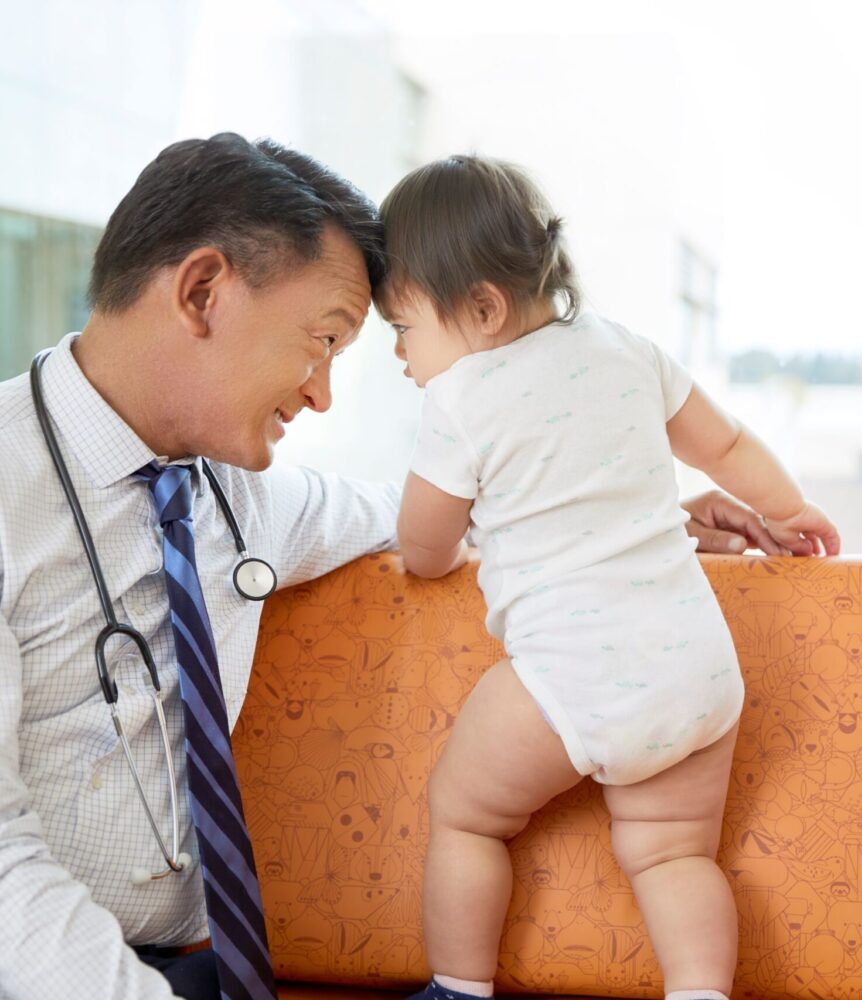
A doctor wearing a stethoscope smiles while leaning his forehead close to a baby standing on a patterned couch, facing away from the camera
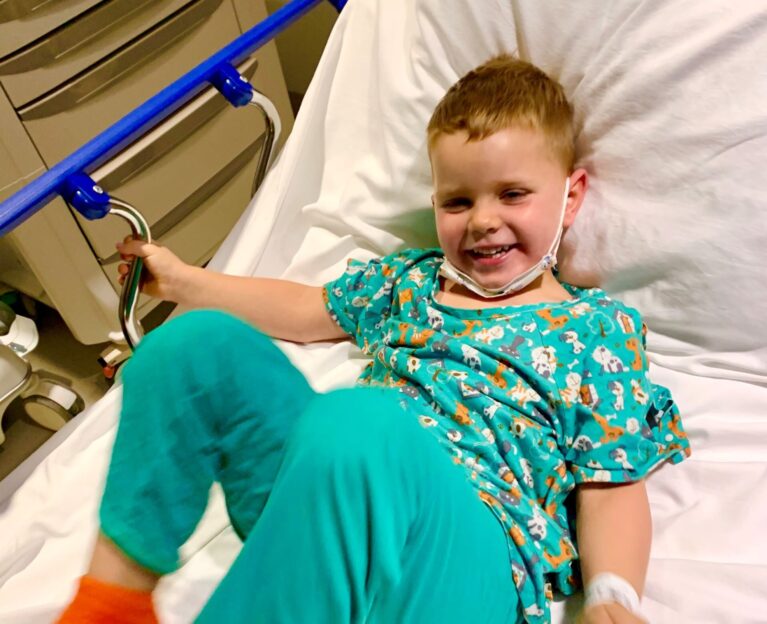
A young boy smiling in a hospital bed, wearing a teal patterned hospital gown and orange grip socks, with a nasal cannula and hospital ID bracelet on his wrist, playfully kicking up his leg.

Helping Carter Stay in the Game

During 4-year-old Carter’s very first T-ball game, he ran headlong into another child while trying to catch a ball. After a CT scan at a local hospital to check for a concussion, the family received shocking news: Carter had a brain tumor. At the urging of their physician, the family brought Carter to Packard Children’s, where they met with Kelly Mahaney, MD. Carter was diagnosed with a choroid plexus papilloma—a rare kind of benign brain tumor.

Even though it was small, no one could predict if the tumor would spread. Dr. Mahaney operated on Carter, successfully removing the tumor.

Since the surgery, Carter hasn’t missed a step, even playing his first season of flag football.

“Carter’s whole life has been a series of miracles,” says Carter’s father, Patrick. “We are filled with humble gratitude that he is a healthy, happy 4-year-old because of the generosity of donors who allow lifesaving work to be done by medical staff at Packard Children’s Hospital.”

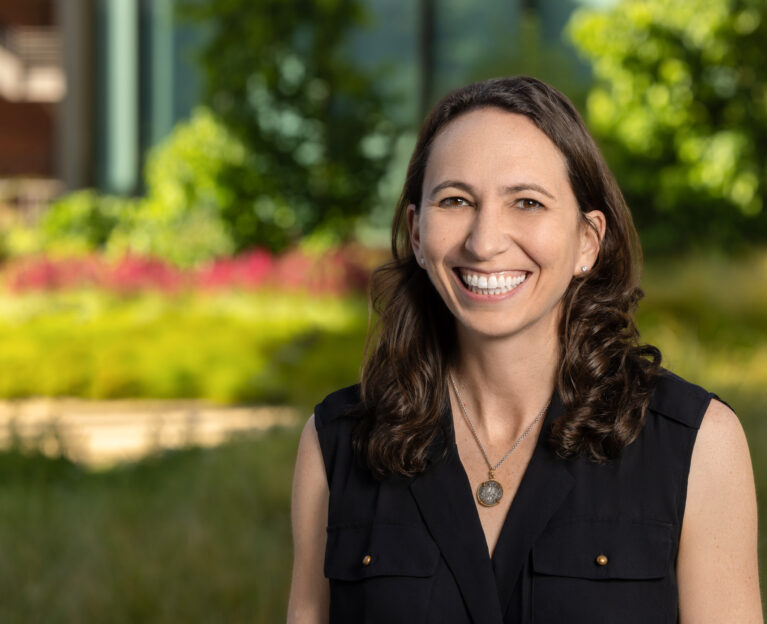
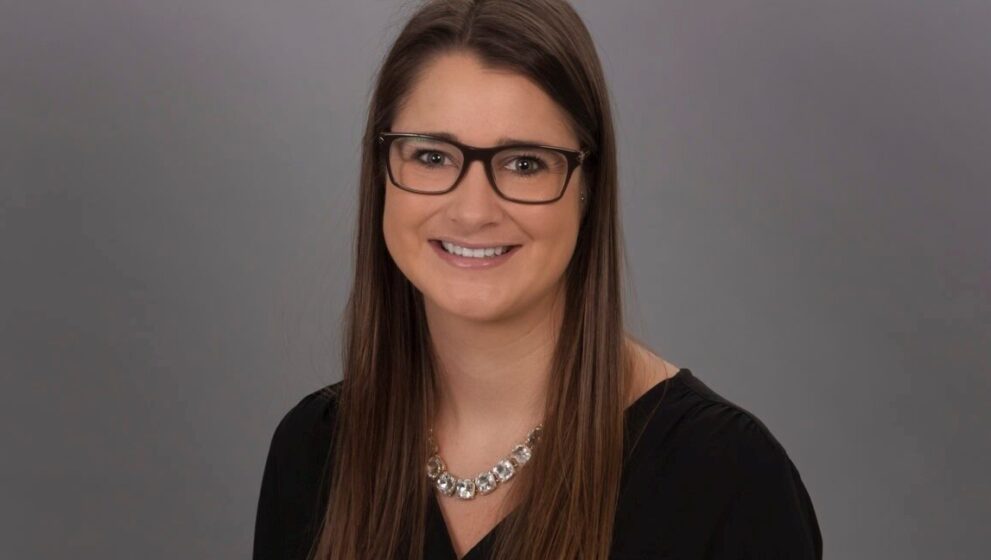
A smiling woman with shoulder-length dark wavy hair, wearing a black sleeveless top and a pendant necklace, standing outdoors in front of greenery and a modern building.

Rethinking Brain Tumor Treatment for Children

High-grade gliomas, which are tumors of the brain and spinal cord, move fast. They spread quickly through brain tissue, and are challenging to surgically remove, making them very difficult to treat effectively.

Much of the research on high-grade gliomas has relied on treatments developed for adult patients. However, pediatric tumors are quite different. Leveraging patient tumor samples from over a decade of collection, Laura Prolo, MD, PhD, is pursuing novel treatment options tailored to pediatric brain tumors. By understanding these differences, Dr. Prolo and her team hope to identify which treatments work best for children with high-grade gliomas.

Opportunities for Impact

The needs of our patients extend far beyond diagnosis and treatment—kids feel best when they have the opportunity to just be kids. Your support of initiatives like food insecurity screenings and educational programs makes all the difference for patients and their families.
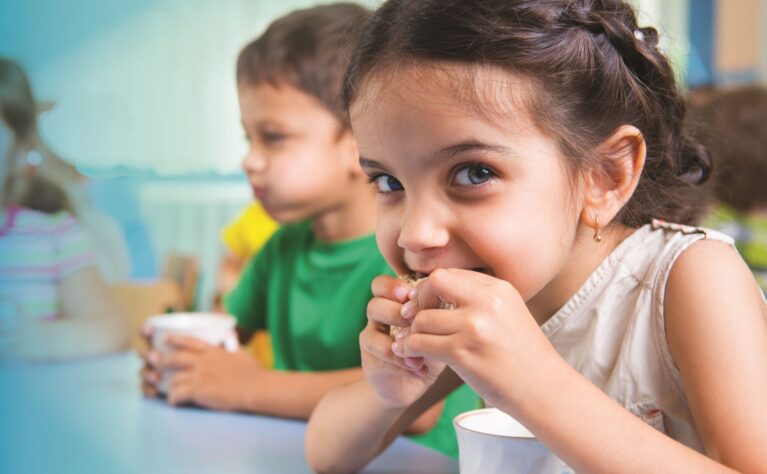
A young girl with braided dark hair eating a snack at a table, looking toward the camera, with other children seated nearby holding cups

Tackling Food Insecurity

Across the United States, nearly 9 million children experience food insecurity. Limited access to healthy foods places entire families at higher risk for diseases like diabetes, obesity, depression, and other adverse health conditions. Hungry kids also struggle to learn in school, and poor diets can make healing more difficult for children with chronic health problems.

To help combat this urgent and growing problem, our neurologists provide food insecurity screenings at every clinic visit. Families who report struggling with the rising costs of food are immediately provided with groceries. They are also connected with social workers who can direct them to additional community and government resources.

This program has become a key priority across the neurology division. By making questions about food insecurity a routine part of clinic visits, our physicians aim to overcome the stigma and help families in need across our communities.
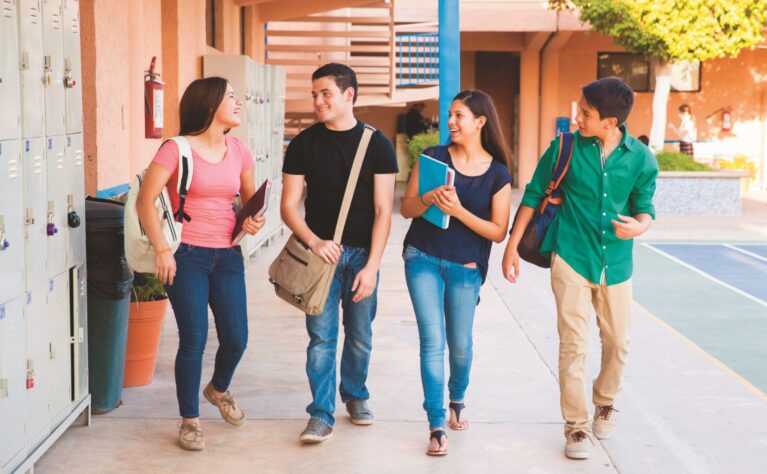
Four teenage students walking and talking together outdoors past a row of lockers on a school campus, carrying backpacks and notebooks

Healing the Whole Child

Attending school is a central part of childhood, yet many kids with neurological conditions experience ongoing cognitive effects of their illness and treatment.

Through Hospital Educational Advocacy Liaisons (HEAL), we help children engage in learning by providing support to the entire family. Through this program, our experts provide everything from neuropsychological testing, to educational assessments, to family advocacy at Individualized Education Program (IEP) meetings at school.

HEAL also works with families and school staff to understand each child’s unique learning and socio-emotional needs, providing kids with the best opportunities to excel.

Each year, the HEAL program continues to expand, helping us meet the high demand for testing and advocacy services. Philanthropy like yours is critical to providing holistic and compassionate care to these children.

Support Neurosurgery

Your gift will bring hope and healing to families and children facing the toughest moments of their lives.
melisa_addison