

Los jóvenes con autismo u otras formas de neurodivergencia a menudo se sienten incomprendidos en la escuela, con sus amigos y en sus comunidades. Los niños de familias con recursos limitados o con un dominio limitado del inglés pueden enfrentar obstáculos adicionales para acceder al apoyo de salud mental que necesitan.
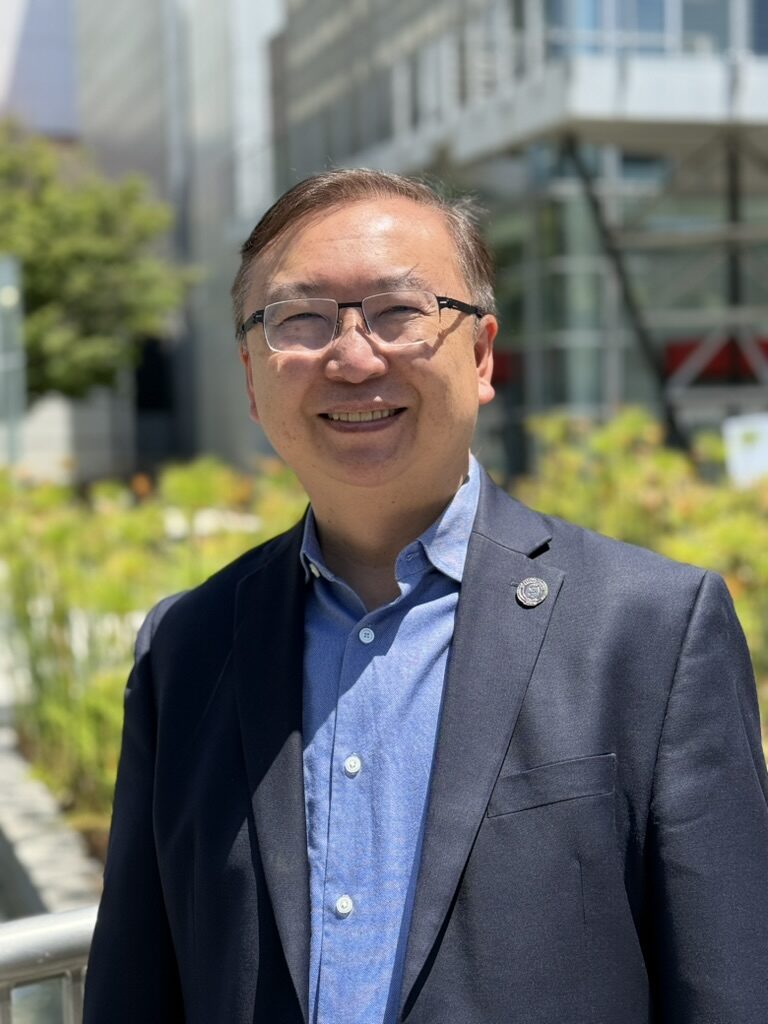
Conozca al Dr. Lawrence Fung
Lawrence Fung, MD, PhD, capacita a jóvenes neurodivergentes para que aboguen por sí mismos. Es el director fundador de la Centro Stanford para la Neurodiversidad y el Potencial Humano y es miembro de la Instituto de Investigación de Salud Maternoinfantil de Stanford (MCHRI), apoyado por el Fondo para la Infancia.
“Considero la neurodivergencia una fortaleza, no una limitación”, afirma el Dr. Fung.
El Dr. Fung y su equipo empoderan a los jóvenes al crear sus propios programas de apoyo. Un ejemplo es un campamento de verano de dos semanas que reúne a estudiantes de secundaria neurodivergentes con sus compañeros neurotípicos. Los participantes aprenden de expertos, exploran los derechos de las personas con discapacidad y la autodefensa, y trabajan juntos para desarrollar proyectos que fomenten una comprensión de la neurodivergencia basada en las fortalezas.
Apoyo de la Fondo para la Infancia También ayudó al Dr. Fung a lanzar un programa diseñado para subsanar las deficiencias en la atención de la salud mental de jóvenes neurodivergentes, incluyendo a aquellos de comunidades que históricamente han enfrentado barreras para acceder a la atención. El programa reúne a jóvenes neurodivergentes, sus familias, líderes comunitarios y profesionales de la salud mental para crear conjuntamente herramientas y capacitaciones que reflejen sus experiencias vividas y hagan que el acceso a la atención médica sea una experiencia más inclusiva y que afirme la neurodiversidad.
El impacto
Gracias a su generosidad, cada vez más jóvenes neurodivergentes están adquiriendo la confianza necesaria para defenderse a sí mismos y construir comunidades donde todos se sientan incluidos.