

Young people with autism or other forms of neurodivergence often feel misunderstood at school, with friends, and in their communities. Children from families with limited resources or limited English skills may face additional barriers to accessing the mental health support they need.
Meet Dr. Lawrence Fung
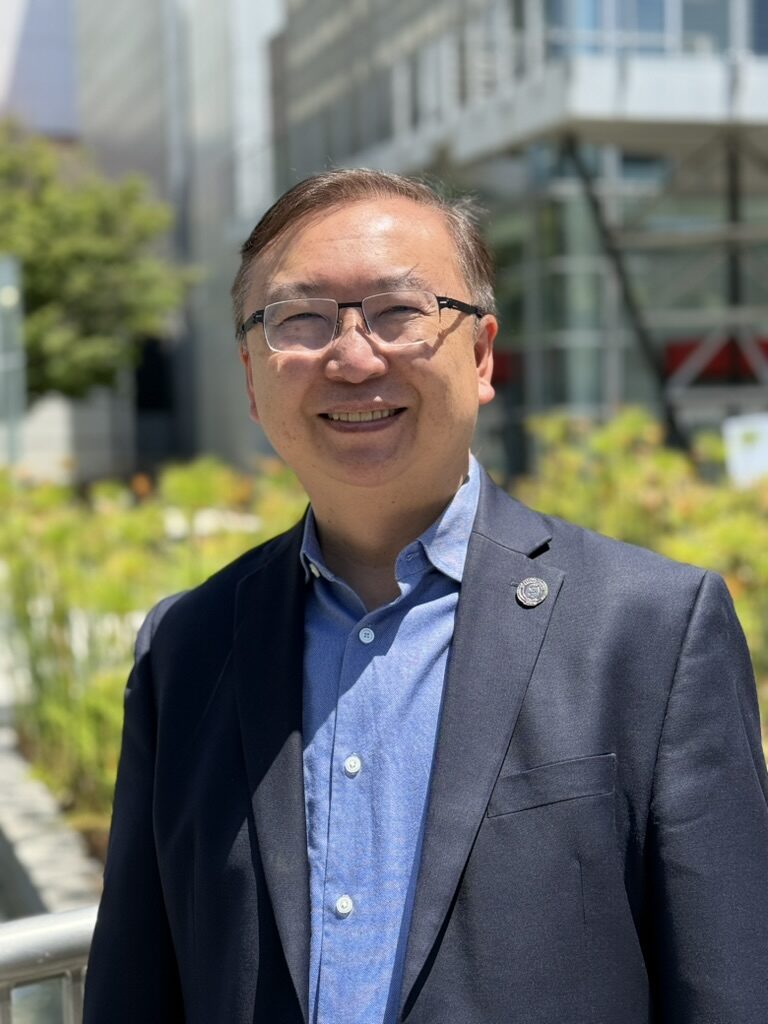
Lawrence Fung, MD, PhD empowers neurodivergent young people to advocate for themselves. He is the founding director of the Stanford Center for Neurodiversity and Human Potential and is a member of the Stanford Maternal and Child Health Research Institute (MCHRI), supported by the Children’s Fund.
“I see neurodivergence as a strength, not a limitation,” says Dr. Fung.
Dr. Fung and his team put youth in the driver’s seat as they build their own support programs. One example is a two-week summer camp that brings together neurodivergent high schoolers and their neurotypical peers. Campers learn from experts, explore disability rights and self-advocacy, and work together to develop projects that foster a strengths-based understanding of neurodivergence.
Support from the Children’s Fund also helped Dr. Fung launch a program designed to close gaps in mental health care for neurodivergent youth, including those from communities that have historically faced barriers to care. The program brings together neurodivergent young people, their families, community leaders, and mental health professionals to co-create tools and training that reflect their lived experience—and make accessing health care a more neurodiversity-affirming experience.
The Impact
Thanks to your generosity, more neurodivergent young people are gaining the confidence to advocate for themselves and build communities where everyone belongs.