

Trẻ em mắc chứng tự kỷ hoặc các dạng rối loạn thần kinh khác thường cảm thấy bị hiểu lầm ở trường, với bạn bè và trong cộng đồng. Trẻ em đến từ các gia đình có nguồn lực hạn chế hoặc khả năng tiếng Anh hạn chế có thể phải đối mặt với những rào cản bổ sung trong việc tiếp cận hỗ trợ sức khỏe tâm thần mà chúng cần.
Gặp gỡ Tiến sĩ Lawrence Fung
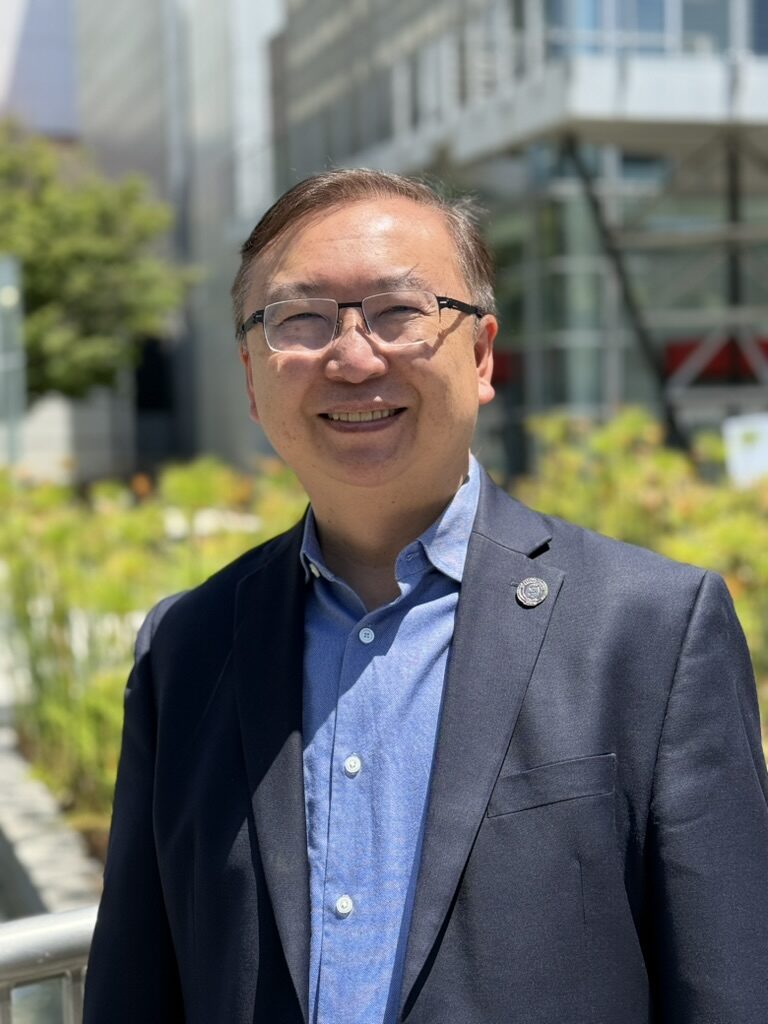
Tiến sĩ Lawrence Fung, MD, PhD, hỗ trợ những người trẻ có sự khác biệt về thần kinh tự bảo vệ quyền lợi của mình. Ông là giám đốc sáng lập của tổ chức này. Trung tâm Đa dạng Thần kinh và Tiềm năng Con người Stanford và là thành viên của Viện Nghiên cứu Sức khỏe Bà mẹ và Trẻ em Stanford (MCHRI), được hỗ trợ bởi Quỹ trẻ em.
“"Tôi xem sự khác biệt về thần kinh là một điểm mạnh, chứ không phải là một hạn chế," Tiến sĩ Fung nói.
Tiến sĩ Fung và nhóm của ông trao quyền chủ động cho thanh thiếu niên trong việc xây dựng các chương trình hỗ trợ của riêng họ. Một ví dụ là trại hè kéo dài hai tuần, quy tụ các học sinh trung học có sự khác biệt về thần kinh và các bạn cùng trang lứa không có sự khác biệt về thần kinh. Các em tham gia trại hè được học hỏi từ các chuyên gia, tìm hiểu về quyền của người khuyết tật và khả năng tự bảo vệ quyền lợi, đồng thời cùng nhau phát triển các dự án thúc đẩy sự hiểu biết dựa trên thế mạnh về sự khác biệt thần kinh.
Sự hỗ trợ từ Quỹ trẻ em Ngoài ra, chương trình này cũng giúp Tiến sĩ Fung khởi động một chương trình được thiết kế để thu hẹp khoảng cách trong chăm sóc sức khỏe tâm thần cho thanh thiếu niên có sự khác biệt về thần kinh, bao gồm cả những người đến từ các cộng đồng vốn từ lâu đã phải đối mặt với những rào cản trong việc tiếp cận dịch vụ chăm sóc. Chương trình này quy tụ những người trẻ có sự khác biệt về thần kinh, gia đình của họ, các nhà lãnh đạo cộng đồng và các chuyên gia sức khỏe tâm thần để cùng nhau tạo ra các công cụ và chương trình đào tạo phản ánh trải nghiệm sống của họ - và làm cho việc tiếp cận dịch vụ chăm sóc sức khỏe trở thành một trải nghiệm khẳng định sự đa dạng thần kinh hơn.
Tác động
Nhờ sự hào phóng của các bạn, ngày càng nhiều người trẻ có sự khác biệt về thần kinh đang có được sự tự tin để tự bảo vệ quyền lợi của mình và xây dựng cộng đồng nơi mọi người đều được chào đón.