
콘텐츠로 건너뛰기
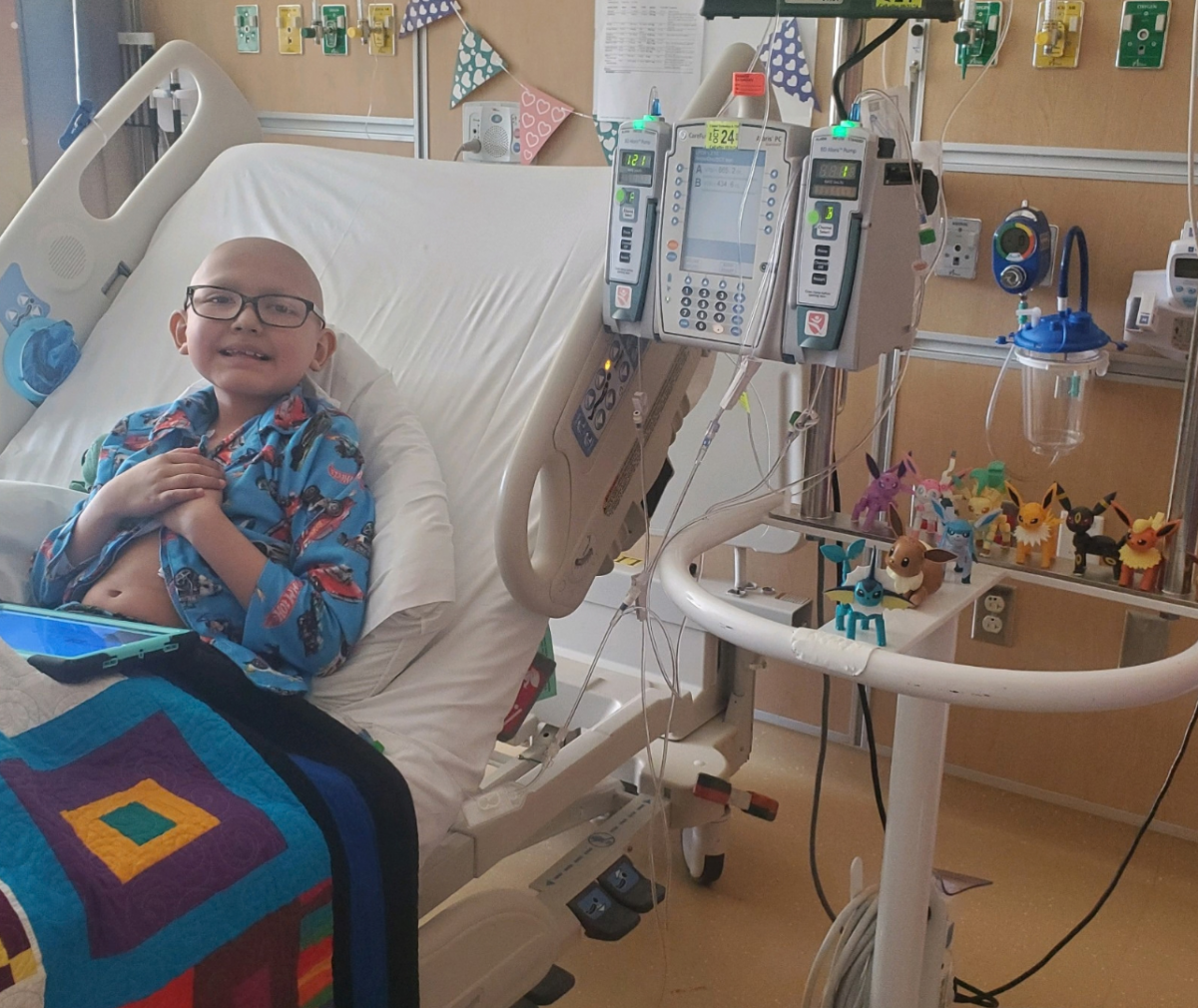
Lucile Packard Children's Hospital Stanford patient Josh wears a hospital gown and sits up right in a hospital bed. Josh smiles at the camera.

Progress against childhood cancer rarely arrives as one breakthrough. It arrives as a series of smaller shifts: a clinical trial built for infants, not scaled down for adults; a new understanding of the way a brain tumor hijacks the brain’s own wiring; innovative therapeutic approaches to improve childhood leukemia survival rates.

All of it moved forward this year at the Bass Center for Childhood Cancer and Blood Diseases, where clinicians at Lucile Packard Children’s Hospital Stanford work alongside researchers at the Stanford School of Medicine. And much of it began with donors willing to fund a promising idea before anyone could be certain it would work.  

This Childhood Cancer Awareness Month, here’s some of what your support helped make possible: 

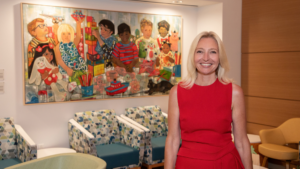
Dr. Tanja Gruber poses in the BASS Center lobby at Lucile Packard Children's Hospital Stanford. Dr. Gruber wears a sleeveless red dress and smiles brightly at the camera.

Rethinking Treatment for Infants With Leukemia 

탄자 그루버, MD, PhD, the American Cancer Society’s 2026 Scientific Honoree, and her team are developing new approaches to treat infant acute lymphoblastic leukemia (ALL), a rare and particularly difficult-to-treat form of childhood cancer. Their latest clinical trial, TINI 2, expands their TINI trial and combines drugs identified as particularly active against infant leukemia cells with an immunotherapy that helps the body’s own T cells find and destroy cancer cells. For infants at high risk of relapse, the TINI 2 trial uniquely adds a targeted therapy called a menin inhibitor—making TINI 2 the only study in the world giving this type of drug to these patients. 

The work builds upon years of research to understand why standard leukemia treatments are less effective in infants and identify therapies better suited to their disease. The goal is deeper remissions, fewer relapses, and better survival for the youngest patients. 

Kelsey'에스 symptoms began when she was 11 months old, but she had turned 1 by the time she was diagnosed with ALL, making her too old to enroll in TINI 2. Dr. Gruber recognized that her leukemia had developed during infancy and used insights from the 재판 to tailor her treatment. Now 2½, Kelsey has finished treatment, 아르 자형emains in remission, and is back to doing what toddlers do 비est—running and playing.  

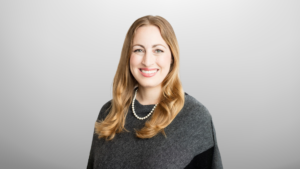
Dr. Michelle Monje wears a dark grey sweater, a necklace and poses and smiles at the camera. Dr. Monje sits in front of a grey backdrop.

Taking Aim at the Deadliest Childhood Brain Cancers 

For more than 20 years, 미셸 몬제, 의학박사, 철학박사, a Stanford pediatric neuro-oncologist and winner of the 2025 Brain Prize, has studied how pediatric brain cancers grow—and how to stop them. This year, her team revealed that brain tumors don’t grow in isolation: they tap into the brain’s own electrical and chemical signals to fuel their growth. Now, they are investigating whether medications, including anti-seizure drugs, might disrupt that communication and slow the cancer’s progression. The work is opening new avenues for treating diffuse midline glioma, among the most aggressive and difficult-to-treat pediatric brain cancers. 

It builds on progress with CAR T-cell therapy against diffuse immune pontine gliomas (DIPG)—a type of diffuse midline glioma that until recently was considered universally fatal. Last year, one of Dr. Monje’s trial participants achieved a complete response, with his tumor disappearing entirely from brain scans. More than four years after starting this novel treatment, he continues to thrive as a college student with no evidence of disease. The goal now is a future in which every child with DIPG achieves this kind of response.

Do 2X the good during Childhood Cancer Awareness Month

A generous friend will double every dollar you give by September 30, up to $10,000!

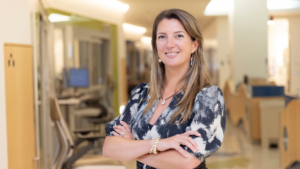
Dr. Alice Bertaina poses with arms crossed and a smile to the camera while standing in the middle of a hospital hallway.

Making Stem Cell Transplants Safer and More Effective 

Alice Bertaina, MD, PhD pioneered alpha/beta T-cell depletion, a technique that removes the specific immune cells responsible for graft-versus-host disease, making it possible to transplant stem cells from a partially matched donor—usually a parent. 

New this year: a clinical trial combining that technique with T-allo10, a cell therapy designed to strengthen immune recovery after transplant. Patients have achieved 100% leukemia-free survival at two years. 

Dr. Susan Hiniker smiles at the camera while wearing a white shirt and black blazer. Dr. Hiniker sits in front of a grey backdrop.

Bringing Proton Therapy Closer to Kids 

In April, Stanford Medicine opened the world’s first ultracompact proton therapy facility and in June, a 7-year-old became the first patient treated there. Proton therapy targets tumors with exceptional precision while limiting radiation exposure to surrounding healthy tissue—an especially important consideration for children whose bodies are still growing. 

The new system also treats patients while they are sitting upright. As pediatric radiation oncologist Susan Hiniker, MD, explains, this offers clinical advantages while giving children a greater sense of participation in their own treatment. Previously, local families seeking proton therapy had to travel hundreds of miles for care. The new facility has the potential to make this highly specialized treatment more accessible and less disruptive for families.  

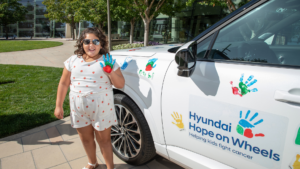
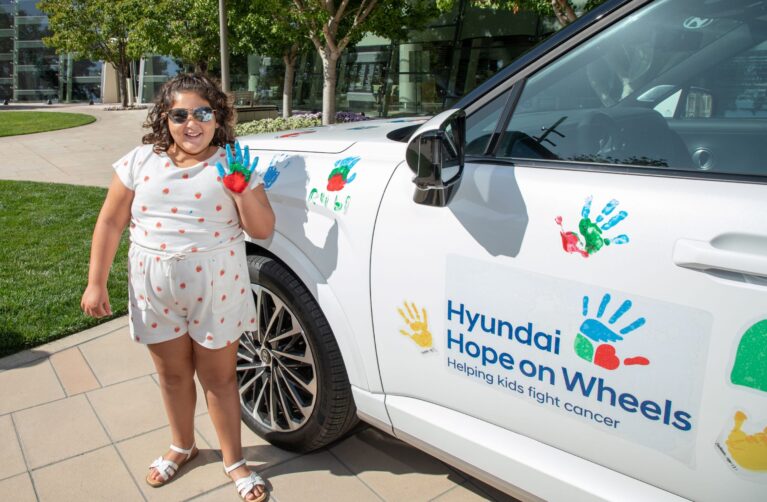
Lucile Packard Children's Hospital Stanford Patient Hero Rubi poses next to the Hyundai Hope on Wheels car while holding up a hand covered in paint. Rubi has just pressed the painted hand on the car as part of the hand painting ceremony.

Making Cancer Treatments Safer for Kids 

When Rubi was diagnosed with a rare and aggressive lymphoma at age 5, she didn’t let cancer keep her from pursuing her dream of becoming a police officer. During treatment at Lucile Packard Children’s Hospital Stanford, “Officer Rubi” patrolled the halls on a tricycle outfitted with police lights and sirens. Today, Rubi is 8 and cancer-free. 

Her pediatric oncologist, Adrienne Long, MD, PhD, is working to make cancer treatment safer for children like Rubi. Dr. Long studies how immunotherapies affect children’s developing immune systems, with the goal of preserving their lifesaving benefits while reducing the risk of serious infections and other long-term side effects. 

This year, 현대 희망 온 휠스 awarded Dr. Long a $300,000 Young Investigator Grant—her third from the organization. With this latest gift, Hyundai Hope on Wheels has contributed nearly $6.1 million to Packard Children’s Hospital, providing sustained philanthropic support to help Stanford researchers advance new and better approaches to childhood cancer. 

Help Shape What Comes Next 

Philanthropy lets physicians and scientists at Stanford Medicine Children’s Health ask bold questions, pursue promising ideas, and carry new approaches from the laboratory to the children who need them. If you’d like to learn more about how you can help shape the future of childhood cancer care and research, we’d love to connect.   

아이들의 성장을 돕기

9월은 소아암 인식의 달이며, 치료가 어려운 암을 이해하는 데 있어 스탠퍼드 의대생 과학자들이 이룬 큰 진전을 기념하는 시기입니다. 선도적인 역할을 하는...

이 게시물은 보호된 게시물이므로 발췌 내용을 볼 수 없습니다.

루비는 5살 때 희귀하고 공격적인 암인 T세포 림프모세포성 림프종 진단을 받았습니다. 루실 패커드 어린이 병원에서 치료를 받는 동안...