
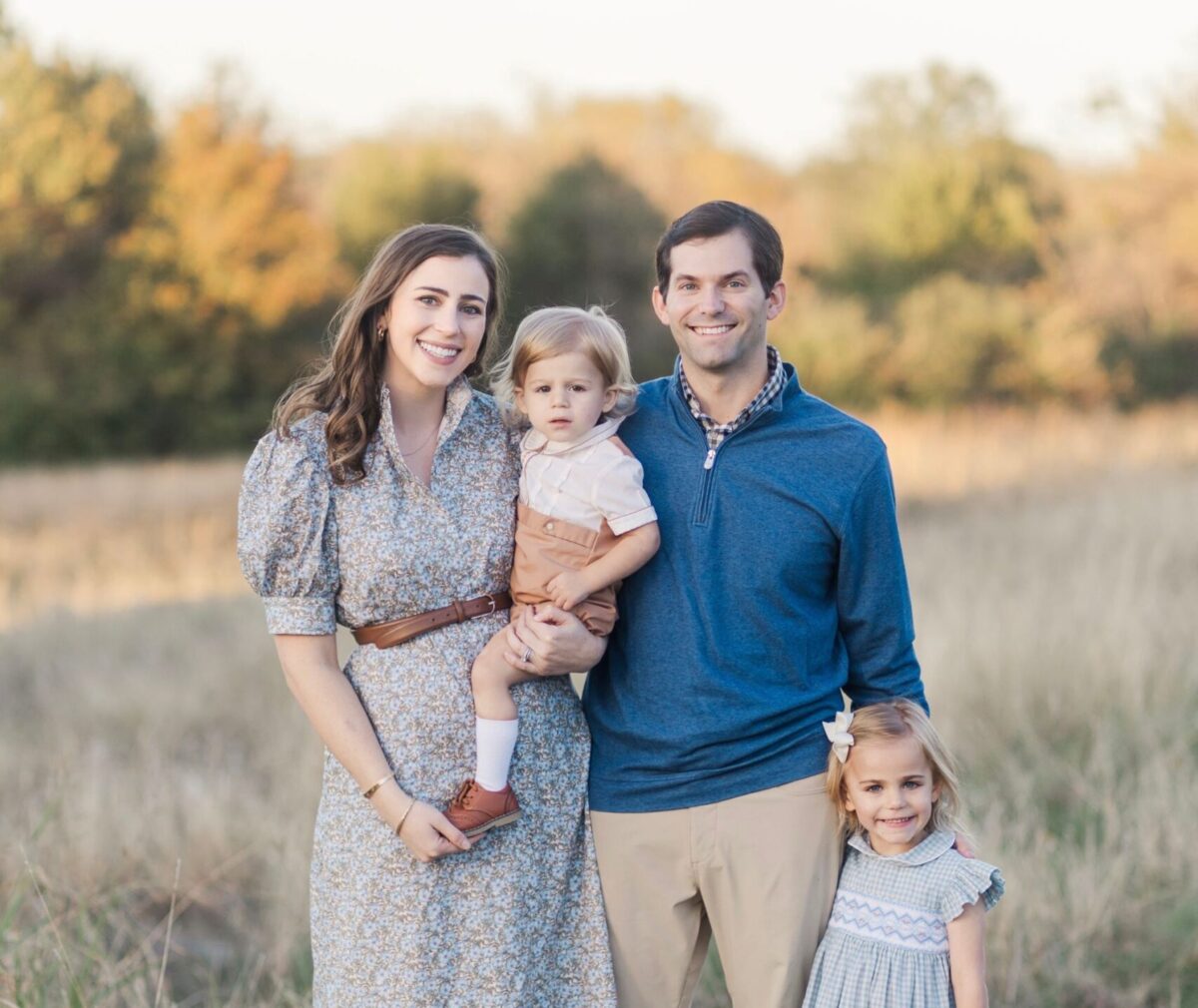
«اراده برای درمان ALD» با سفر یک خانواده آغاز شد. وقتی تایلر و تیلور هال از پسرشان، ویلیام، استقبال کردند، یک غربالگری معمول نوزاد نشان داد که او مبتلا به آدرنولکودیستروفی (ALD) است - یک بیماری ژنتیکی نادر که میتواند مغز، نخاع و سیستم آدرنال را تحت تأثیر قرار دهد.
Wوقتی فهمیدند که هیچ درمانی وجود ندارد و بودجه تحقیقاتی برای ALD محدود است، خانواده هال تصمیم گرفتند وارد عمل شوند. آنها تأسیس کردند اراده برای درمان ALD در اواخر سال ۲۰۲۴ برای اطمینان از اینکه هیچ خانوادهای بدون امید این تشخیص را تجربه نکند.
این زوج بیش از ۱.۶ میلیون دلار از خانواده و دوستانی که از ماموریت آنها حمایت کردهاند، جمعآوری کردهاند. بنیاد آنها اخیراً از محل این بودجه، ۱.۷۵ میلیون دلار به دانشکده پزشکی استنفورد برای پیشبرد سه پروژه تحقیقاتی متمرکز بر ALD اختصاص داده است. آنها همچنین پروژههایی را در پنج مرکز عالی ALD دیگر در سراسر کشور تأمین مالی کردهاند.
“تایلر میگوید: ”با گرد هم آوردن درخشانترین ذهنها در این حوزه، ما در حال تسریع جدول زمانی برای دستیابی به موفقیتهای نجاتبخش و ایجاد امید ملموس برای خانوادههایی هستیم که منتظر پاسخ هستند.».
در استنفورد، اراده برای درمان ALD تصمیم گرفت از آن حمایت کند دکتر کیث ون هارن, ، دانشیار مغز و اعصاب و رهبر ملی در تحقیقات ALD، که رهبری ... آزمایشگاه ون هارن.تحقیقات آنها منجر به کشفی هیجانانگیز و غیرمنتظره شده است.
“ون هارن میگوید: ”ما در مدل موش خود فعالسازی قوی یک مسیر ایمنی را مشاهده کردیم که قبلاً با ALD مرتبط نبود. این موهبت به ما اجازه میدهد تا بپرسیم که آیا همین امضا در کودکان مبتلا به این بیماری وجود دارد یا خیر، و اگر وجود دارد، آیا داروها یا درمانهای غذایی موجود هستند که بتوانند به سرعت برای پسران مبتلا به ALD تغییر کاربری دهند.“
در نهایت، خانواده هال خوشبین هستند که این تحقیق دادهها و شتاب علمی لازم را برای جذب بودجههای قابل توجهتر از منابعی مانند مؤسسات ملی بهداشت ایجاد کند.
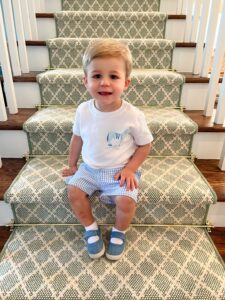
ویلیام در خانه خانوادگیشان در دالاس، تگزاس، اخیراً دو ساله شده و زندگی پررونقی دارد. او عاشق بیرون رفتن، بازی بیسبال - که خودش آن را “whack” مینامد - تماشای فوتبال و همراهی با خواهر بزرگش، اما، است.
“تایلر میگوید: ”او بامزه، دوستداشتنی و شاد است، که دقیقاً همان چیزی است که ما را به حرکت در میآورد. دیدن او به این شکل باعث میشود که نتوانیم برای محافظت از آیندهاش کاری کمتر از تمام توانمان انجام دهیم.“