ឆ្នាំ 2025 បាននាំមកនូវភាពជឿនលឿនផ្នែកព្យាបាល និងការស្រាវជ្រាវនៅមន្ទីរពេទ្យកុមារ Lucile Packard និងសាលាវេជ្ជសាស្ត្រ Stanford ដោយផ្តល់ឱ្យកុមារ និងក្រុមគ្រួសារនូវផ្លូវថ្មីដើម្បីព្យាបាល និងក្តីសង្ឃឹម។ នេះគ្រាន់តែជាគំនួសពណ៌មួយចំនួនប៉ុណ្ណោះ - អរគុណសម្រាប់ការជួយបំភ្លឺអនាគតរបស់កុមារ និងគ្រួសារ!
Hope, Healed: Gene Therapy Breakthrough for Epidermolysis Bullosa
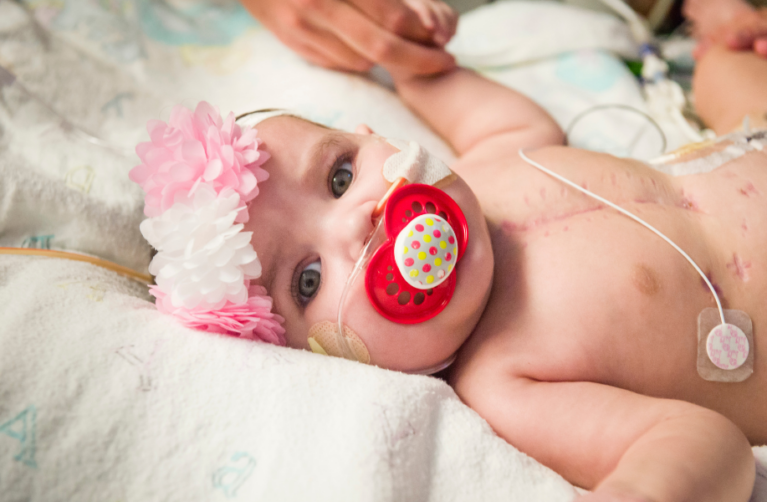
គ្រួសារដែលរងផលប៉ះពាល់ដោយស្ថានភាពស្បែកដ៏ឈឺចាប់ និងកំណត់អាយុជីវិត epidermolysis bullosa (EB) មានក្តីសង្ឃឹមថ្មី៖ ការសាកល្បងព្យាបាលដំណាក់កាលទី 3 បង្ហាញថា ការព្យាបាលដោយហ្សែនអាចព្យាបាលរបួស EB យ៉ាងខ្លាំង។ មន្ទីរពេទ្យកុមារ Packard គឺជាមន្ទីរពេទ្យមួយក្នុងចំនោមមន្ទីរពេទ្យមួយក្តាប់តូច និងតែមួយគត់នៅភាគខាងលិចនៃរដ្ឋ Colorado ដែលត្រូវបានអនុញ្ញាតឱ្យផ្តល់ការព្យាបាលដ៏ពិសេសនេះ។ ដឹកនាំដោយ Jean Tang, MD, PhD, នេះគឺជាការព្យាបាលដំបូងបង្អស់ដែលត្រូវបានអនុម័តដោយ FDA ពីមជ្ឈមណ្ឌល Stanford សម្រាប់ការព្យាបាល និងការព្យាបាលច្បាស់លាស់ និងបង្កើតលើការច្នៃប្រឌិតពីរទសវត្សរ៍ និងត្រួសត្រាយផ្លូវដើម្បីព្យាបាលជំងឺហ្សែនតែមួយផ្សេងទៀត ចាប់ពីជំងឺដុំសាច់ក្នុងស្បូន រហូតដល់ជំងឺបេះដូង និងប្រព័ន្ធសរសៃប្រសាទ។
មួយជំហានខិតទៅជិតបេះដូងបោះពុម្ព 3D

Alison Marsden, PhD, និង Mark Skylar-Scott, PhD, មកពី Stanford's Basic Science and Engineering (BASE) Initiative គឺជាជំហានមួយខិតទៅជិតការបោះពុម្ព 3D បេះដូងមនុស្សដោយប្រើកោសិកាដើមផ្ទាល់របស់កុមារ ដែលជារបកគំហើញផ្លាស់ប្តូរសម្រាប់កុមារដែលមានជំងឺបេះដូងគំរាមកំហែងដល់អាយុជីវិត។ ឧបករណ៍គំរូកុំព្យូទ័រប្រកបដោយភាពច្នៃប្រឌិតរបស់ពួកគេរចនា និងបោះពុម្ព "ដើមឈើសរសៃឈាម" ដែលជាបណ្តាញសរសៃឈាមដ៏ស្មុគស្មាញដែលត្រូវការដើម្បីទ្រទ្រង់ជីវិត ការបោះពុម្ពសរីរាង្គ - ការស្រមៃមើលអនាគតដោយគ្មានកង្វះសរីរាង្គ បញ្ជីរង់ចាំយូរ ឬហានិភ័យនៃការបដិសេធ។
ក្តីសង្ឃឹមសម្រាប់កុមារដែលមានដុំសាច់ខួរក្បាល
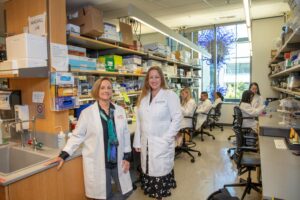
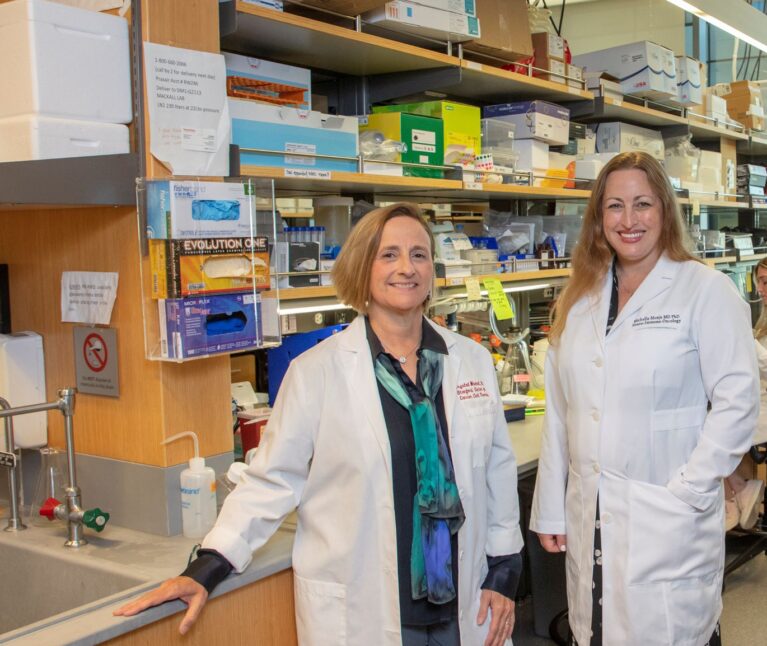
ការព្យាបាលដោយកោសិកា CAR‑T ថ្មីដែលត្រូវបានបង្កើតឡើងដោយ Michelle Monje, MD, PhD, និង Crystal Mackall, MD បានបង្ហាញការសន្យាពិតប្រាកដសម្រាប់កុមារដែលមាន gliomas ពាក់កណ្តាលបន្ទាត់ រួមទាំងការបំផ្លិចបំផ្លាញ ហើយរហូតមកដល់ពេលនេះ universally fatal diffuse intrinsic pontine glioma (DIPG)។ នៅក្នុងការសាកល្បងតូចមួយ អ្នកចូលរួមប្រាំបួននាក់បានជួបប្រទះភាពប្រសើរឡើងក្នុងការដើរ លេប និង/ឬនិយាយ។ ដុំសាច់ក្នុងកុមារ 4 នាក់បានថយចុះជាងពាក់កណ្តាល ហើយអ្នកជំងឺម្នាក់នៅតែមិនមានដុំសាច់រយៈពេល 4 ឆ្នាំបន្ទាប់ពីការធ្វើរោគវិនិច្ឆ័យ។ ក្នុងខែកុម្ភៈ គ. វេជ្ជបណ្ឌិត Monje បានទទួលរង្វាន់ The Brain Prize- រង្វាន់ដ៏មានកិត្យានុភាពបំផុតនៅក្នុងផ្នែកសរសៃប្រសាទ - សម្រាប់ការងារត្រួសត្រាយរបស់នាងលើ DIPG និងការព្យាបាលដ៏មានសក្តានុពលនេះ។
Summer Scamper 2025៖ ការប្រារព្ធពិធីនៃសហគមន៍ និងសុខភាពកុមារ
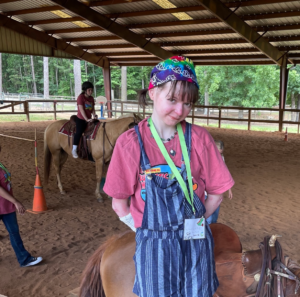
អ្នកចូលរួមជិត 3,000 នាក់បានចូលរួមកម្មវិធី Summer Scamper ប្រចាំឆ្នាំលើកទី 15 របស់យើង ដោយបង្កើនកំណត់ត្រា $930,000 សម្រាប់មន្ទីរពេទ្យកុមារ Packard និងកម្មវិធីសុខភាពកុមារ និងមាតានៅសាលាវេជ្ជសាស្ត្រ Stanford ។ ចាប់តាំងពីឆ្នាំ 2011 ព្រឹត្តិការណ៍សហគមន៍ដ៏រីករាយបានរៃអង្គាសប្រាក់បានជាង $7 លាន ដែលគាំទ្រដោយផ្ទាល់នូវការថែទាំសង្គ្រោះជីវិត ការស្រាវជ្រាវប្រកបដោយភាពច្នៃប្រឌិត និងសេវាកម្មដែលផ្តោតលើគ្រួសារ - ពីការទៅសួរសុខទុក្ខជាមួយអ្នកឯកទេសជីវិតកុមារ ដើម្បីទទួលបានអ្នកបកប្រែដែលធ្វើការជា 50+ ភាសា។
ការបើកកន្លែងទំនើបនៃសិល្បៈចំនួនពីរសម្រាប់ការថែទាំ និងការច្នៃប្រឌិត
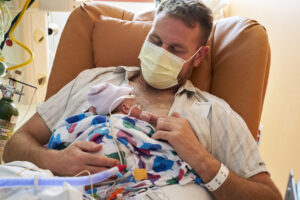
នេះ។ អង្គភាពថែទាំទារកទើបនឹងកើត Ax & Blaise Wanstrath បានបើកនៅនិទាឃរដូវឆ្នាំ 2025 ដែលជាកន្លែង NICU ដំបូងគេនៅមន្ទីរពេទ្យកុមារ Packard ជាមួយនឹងបន្ទប់ឯកជន។ NICU ថ្មីផ្តល់នូវបរិយាកាសស្ងប់ស្ងាត់ជាងមុន ដែលកាត់បន្ថយហានិភ័យនៃការឆ្លងសម្រាប់ទារកដែលងាយរងគ្រោះ កាត់បន្ថយការស្នាក់នៅក្នុងមន្ទីរពេទ្យ និងបង្កើនការចូលរួមរបស់មាតាបិតា។ បន្ទប់ឯកជនក៏អនុញ្ញាតឱ្យឪពុកម្តាយស្នាក់នៅមួយយប់ និងផ្តល់កន្លែងឱ្យក្រុមគ្រូពេទ្យដើម្បីផ្តល់ការថែទាំសង្គ្រោះជីវិតកម្រិតខ្ពស់នៅក្បែរគ្រែ។
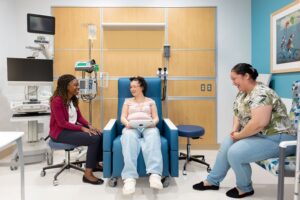
Packard Children's ថ្មី។ Bass Center Clinic and Infusion Center បានបើកនៅក្នុងខែឧសភា ឆ្នាំ 2025 ហើយផ្តល់ឱ្យកុមារ និងក្រុមគ្រួសារនូវបរិយាកាសព្យាបាលកាន់តែមានផាសុកភាព ភាពតានតឹងតិច និងធ្វើអោយប្រសើរឡើងនូវការគ្រប់គ្រងការឆ្លងមេរោគ។ អាចធ្វើទៅបានដោយការគាំទ្រពីសប្បុរសជន ទីធ្លាទំនើបនេះមានបន្ទប់ចាក់ថ្នាំឯកជនចំនួន 15 និងបន្ទប់ប្រឡងចំនួន 14 ដែលផ្តល់ឱ្យកុមារ និងក្រុមគ្រួសារនូវភាពឯកជន និងការយកចិត្តទុកដាក់ប្រកបដោយក្តីមេត្តា និងយកចិត្តទុកដាក់បំផុតក្នុងអំឡុងពេលដំណើរព្យាបាលរបស់ពួកគេ។
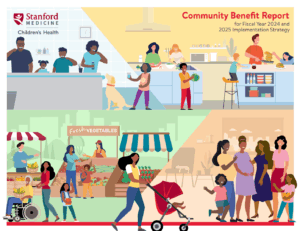
ការប្តេជ្ញាចិត្តរបស់យើងចំពោះសុខភាពសហគមន៍
ដៃគូម្ចាស់ជំនួយរបស់យើងដើរតួនាទីយ៉ាងសំខាន់ក្នុងការធានាថាកុមារ ម្តាយ និងក្រុមគ្រួសារទទួលបានការថែទាំដែលពួកគេត្រូវការនៅពេលដែលវាសំខាន់ជាងគេ។ ជាមួយនឹងការកាត់បន្ថយដែលរំពឹងទុកនៅក្នុង Medi-Cal និងមូលនិធិស្រាវជ្រាវសហព័ន្ធ ជំនួយសប្បុរសធម៌ដែលជំរុញឱ្យមានការថែទាំប្រកបដោយមេត្តា ការស្រាវជ្រាវដ៏សាមញ្ញ និងការព្យាបាលប្រកបដោយភាពច្នៃប្រឌិតគឺមានសារៈសំខាន់ជាងពេលណាទាំងអស់។ ការរួមចំណែកដល់ Lucile Packard មូលនិធិកុមារ ផ្តល់ការគាំទ្រដែលអាចបត់បែនបានសម្រាប់តម្រូវការរបស់មន្ទីរពេទ្យ និងសាលាវេជ្ជសាស្ត្ររបស់យើង រួមទាំងកម្មវិធីសំខាន់ៗដែលមិនត្រូវបានគ្របដណ្តប់ដោយការធានារ៉ាប់រង និងវិនិយោគក្នុងភាពជាដៃគូដែលកែលម្អលទ្ធផលសុខភាព ពង្រីកលទ្ធភាពទទួលបានការថែទាំ និងដោះស្រាយកត្តាទូលំទូលាយដែលប៉ះពាល់ដល់សុខុមាលភាពនៅក្នុងសហគមន៍ដែលយើងបម្រើ។
ជំរុញការស្រាវជ្រាវ និងថែទាំកុមារដែលមានជំងឺតម្រងនោម
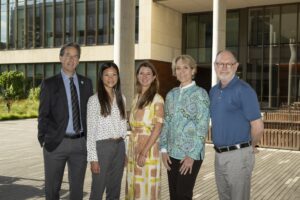
ក អំណោយ $15 លានពីមូលនិធិ David Koch Jr កំពុងបើកដំណើរការកម្មវិធីច្នៃប្រឌិតសុខភាពតម្រងនោមរបស់ Stanford ដើម្បីជំរុញការស្រាវជ្រាវ បង្កើនការថែទាំព្យាបាល និងផ្លាស់ប្តូរសុខភាពតម្រងនោមសម្រាប់កុមារ និងមនុស្សវ័យជំទង់។ ស្នូលនៃកម្មវិធីនឹងជាពានរង្វាន់ David Koch Jr. Foundation Kidney Health Innovation Awards ដែលជំរុញការស្រាវជ្រាវឆ្លងវិន័យ ដើម្បីបង្កើនការយល់ដឹងរបស់យើងអំពីជំងឺតម្រងនោម និងស្វែងរកការព្យាបាលថ្មីៗ។ Packard Children's ដែលជាប់ចំណាត់ថ្នាក់ក្នុងចំណោម កម្មវិធី nephrology កុមារកំពូលទាំង 10 នៅទូទាំងប្រទេសធ្វើការប្តូរក្រលៀនច្រើនជាងមន្ទីរពេទ្យកុមារដទៃទៀតនៅសហរដ្ឋអាមេរិក - ជាមួយនឹងអត្រារស់រានមានជីវិត 100% នៅអាយុមួយ និងបីឆ្នាំ។
ការជំរុញការបន្តទំនើបកម្មនៃផ្ទះរបស់យើងសម្រាប់ម្តាយ និងទារក
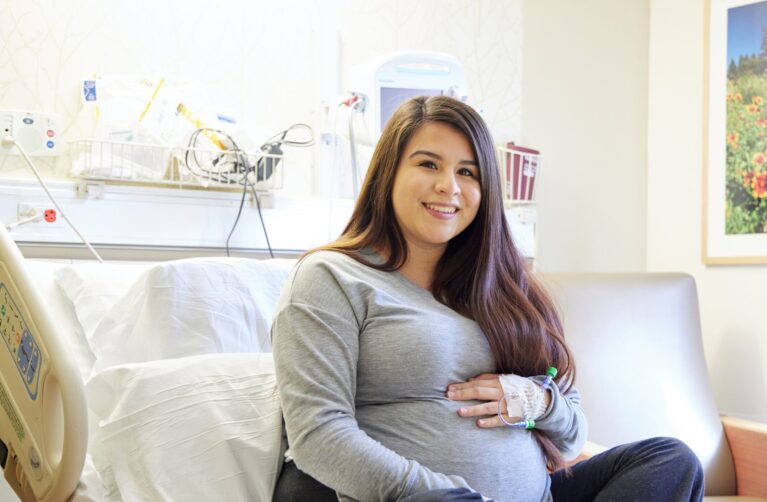
អំណោយ $25 លានរបស់ Carol និង Ned Spieker ដល់មន្ទីរពេទ្យកុមារ Packard កំពុងដឹកនាំការបន្តការគិតឡើងវិញនៃអគារខាងលិចនៃមន្ទីរពេទ្យរបស់យើង ដើម្បីជួយសម្រួលដល់ការថែទាំម្តាយដែលមានផ្ទៃពោះ និងទារកទើបនឹងកើតដែលមានបញ្ហាសុខភាព។ ចក្ខុវិស័យសម្រាប់ការផ្លាស់ប្តូរអគារខាងលិច រួមមានបន្ទប់ពលកម្ម និងបន្ទប់សម្រាល និងបន្ទប់សម្ភពទំនើបទាន់សម័យ និង NICU ដែលបានផ្លាស់ប្តូរ។ នៅតែមានឱកាសជាច្រើនដើម្បីគាំទ្រដល់ការផ្លាស់ប្តូរអគារខាងលិច។
សកម្មភាពសប្បុរសធម៌ក្នុងសហគមន៍កំពុងផ្លាស់ប្តូរសុខភាពកុមារ ហើយយើងសូមថ្លែងអំណរគុណចំពោះភាពជាដៃគូរបស់អ្នកក្នុងការធ្វើឱ្យមានភាពជឿនលឿនទាំងនេះ និងជាច្រើនទៀតដែលអាចធ្វើទៅបាននៅឆ្នាំនេះ។ នេះជាការបន្តការរីកចម្រើន—និងឥទ្ធិពលកាន់តែខ្លាំង—ក្នុងឆ្នាំខាងមុខ!