

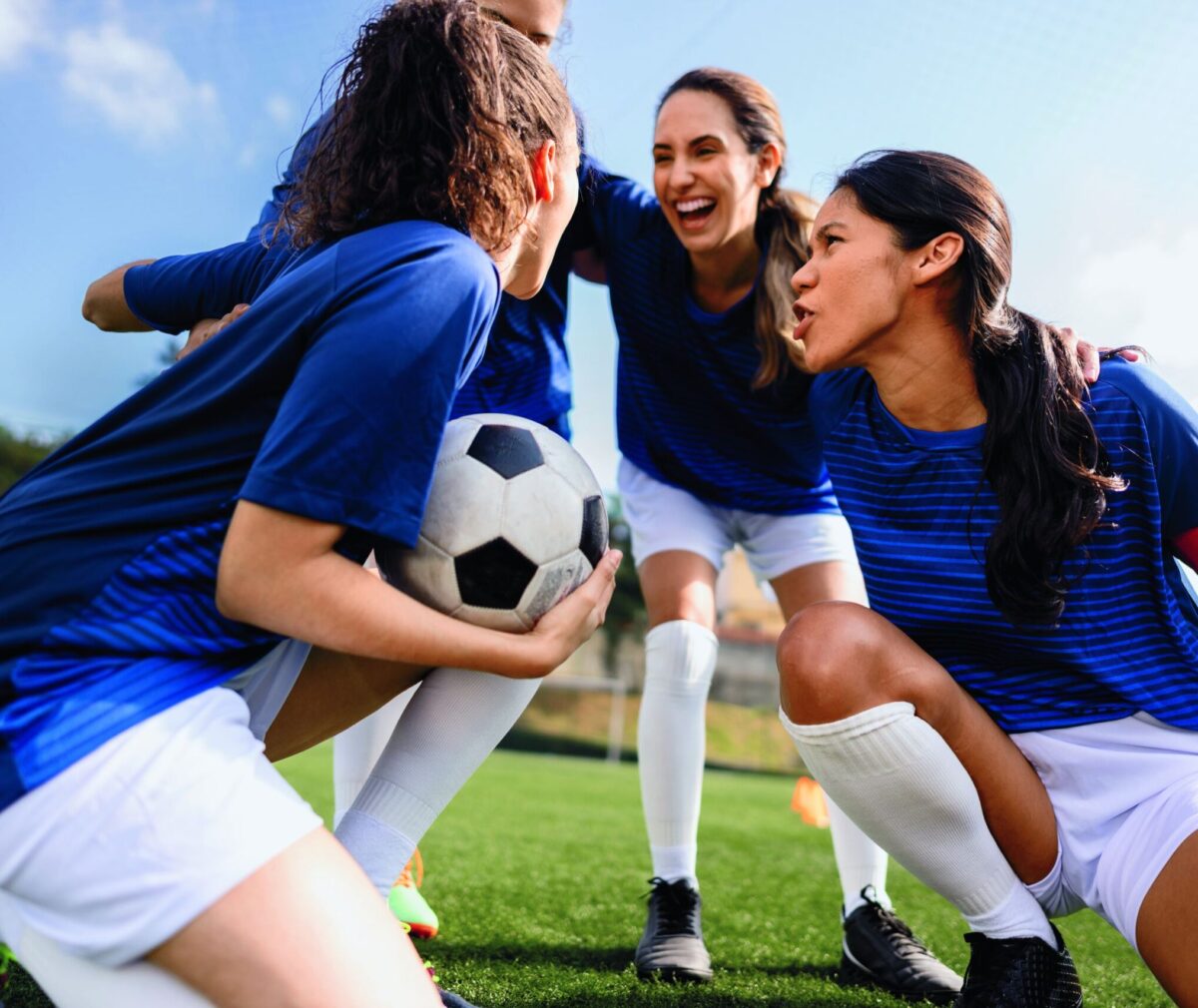
تشارك الدكتورة إميلي كراوس نصائح مبنية على الأبحاث للرياضيات من مرحلة الطفولة وحتى البلوغ
خلال فترة تدريبها في الطب الرياضي، وجدت الدكتورة إميلي كراوس نفسها فجأةً تُعاني من صعوبة في صعود الدرج. في ذلك الوقت، عزَت العداءة الماراثونية المُخضرمة خمولها إلى متطلبات الدراسة الشاقة في كلية الطب. وفي النهاية، علمت أن السبب هو فقر الدم.
أدى اعتمادها على نظام غذائي من كافيتيريا المستشفى، إلى جانب ساعات العمل الطويلة والتدريب لسباق نصف ماراثون، إلى إصابة كراوس بنقص الحديد. لم تكن تُزوّد جسدها بالعناصر الغذائية اللازمة لتلبية المتطلبات التي تفرضها عليه.
دفعتها هذه التجربة إلى التعمق في أبحاث التغذية السليمة والرعاية الصحية للرياضيات. وعندما اكتشفت أن 61% فقط من أبحاث العلوم الرياضية تُجرى حصريًا على الإناث، عقدت العزم على تغيير ذلك. تشغل كراوس حاليًا منصب أخصائية الطب الفيزيائي وإعادة التأهيل الرياضي في قسم صحة الأطفال بمستشفى ستانفورد، وهي المديرة المؤسسة لمركز ستانفورد الطبي. برنامج العلوم والبحوث التطبيقية للرياضيات الإناث (FASTR), ، جزء من تحالف وو تساي للأداء البشري.
منذ إطلاق FASTR في عام 2021، قادت كراوس وفريقها أبحاثًا أصلية حول الرياضيات الإناث وشاركوا نتائجهم من خلال منشورات ووسائل التواصل الاجتماعي ومحادثات الفريق مع الرياضيات في المدارس الثانوية والجامعات، مما مكن الشابات من فهم أجسادهن بشكل أفضل وتحقيق أقصى قدر من الأداء.
سألنا كراوس عن بحثها وما تريد أن تعرفه الرياضيات الشابات.
ما هي فوائد ممارسة الرياضة للفتيات والشابات؟
إنّ المواظبة على ممارسة الرياضة خلال فترة المراهقة وبداية مرحلة الشباب تُعلّم أكثر بكثير من مجرد مهارات رياضية محددة. فهي تُنمّي روح الفريق والقيادة، وتُحفّز الجسم على بذل جهد لم يكن معروفاً من قبل. كما أنّ الحركة، بأي شكل من أشكالها، تُسهم في الوقاية من الأمراض المزمنة، وتُساعد في علاج اضطرابات المزاج كالاكتئاب والقلق.
يشارك عدد أكبر من الإناث في الولايات المتحدة في الرياضة أكثر من أي وقت مضى، ومع ذلك فإن معدلات انسحابهن من الرياضة أعلى من معدلات انسحاب الذكور. ما السبب في ذلك؟
تساهم عوامل عديدة في ذلك، بما في ذلك التغيرات الهرمونية خلال فترة البلوغ، وصورة الجسم، والضغوط الاجتماعية، والإصابات. لا تقتصر الفرصة الآن على تشجيع الفتيات على ممارسة الرياضة فحسب، بل تتعداها إلى تهيئة بيئات داعمة لصحتهن ليتمكنّ من الاستمرار فيها على المدى الطويل. وهذا يؤثر على كيفية رعايتنا لهن وتعليمهن. أما على الصعيد البحثي، فأنا متحمسة لدراسة التأثيرات المحتملة للهرمونات على خطر الإصابة، والتعافي، والأداء العام.
لماذا تُعد جامعة ستانفورد المكان المثالي لك لتحقيق أهدافك البحثية والسريرية؟
يضم فريقنا متعدد التخصصات أخصائيين في علم النفس الرياضي، والتغذية، وأمراض النساء، والعلاج الطبيعي. وقد انتقلنا معًا من معالجة الإصابة وحدها إلى معالجة العوامل الكامنة وراءها، كالتغذية وصحة الدورة الشهرية. كما أتيحت لي فرصة التعاون مع نخبة من رواد العالم في مجالات مكملة، كجراحة العظام، وعلم الحركة، والهندسة الحيوية، وعلم النفس.
ما زلنا في البداية. هدفنا مساعدة الرياضيات ليس فقط على التعافي الأمثل من الإصابات، بل والوقاية منها من الأساس، والحفاظ على صحتهن وقوتهن قدر الإمكان في الملعب. بدعمكم الخيري، نستطيع تسريع الجهود المبذولة لمعالجة المعدل المرتفع بشكل مقلق لإصابات الرباط الصليبي الأمامي لدى الرياضيات، وتحسين صحة الهرمونات والهيكل العظمي.
ما هو الدور الذي لعبته الرياضة طوال حياتك، وكيف واصلتِ إعطاء الأولوية للحركة أثناء الحمل وبعد الولادة؟
منذ صغري، تعلمت كيف يمكن للحركة والرياضة أن تشكل تحدياً فريداً لي، وأن تعلمني الكثير عن نفسي، وأن تبني ثقتي بنفسي. لقد شاركت في تسعة ماراثونات وسباق ماراثون فائق واحد.
كنت أمارس الرياضة بانتظام حتى أنجبت ابنتي. وعندما عدت إلى الجري بعد الولادة، حرصت على إعطاء الأولوية للتغذية والراحة، كما خضعت لجلسات علاج طبيعي لصحة الحوض في وقت مبكر جداً.
نعمل على تطوير موارد أفضل لدعم النساء أثناء الحمل وبعد الولادة. فعلى مدى عقود، تلقت النساء نصائح متضاربة - وغالباً ما كانت مفرطة في الحذر - بشأن ممارسة الرياضة أثناء الحمل، فضلاً عن نقص الإرشادات الواضحة حول استئناف النشاط البدني خلال فترة ما بعد الولادة.
ما هي نصائحك للفتيات والشابات الرياضيات؟
يُعدّ نقص الحديد شائعاً نتيجةً لزيادة احتياجات الجسم من الحديد بسبب النمو، والحيض، وفقدانه أثناء التدريب. لذا، ينبغي على الرياضيات تناول الأطعمة الغنية بالحديد يومياً، مثل اللحوم الحمراء، والعدس، والتوفو، والسبانخ.
الأهم من ذلك كله، تقبلي جسدكِ وتجنبي مقارنة نفسكِ بالآخرين. فالعلاقة الصحية مع جسدكِ تمنحكِ الثقة لتتألقي في أي موقف.
انظر معلومات إضافية موارد حول التغذية والصحة النفسية وغيرها للرياضيات الإناث.